Current page
[Ask the Professionals] A professional in comedy live event production discusses the new possibilities for comedy live performances created by online events. |K-PRO
Creator stories
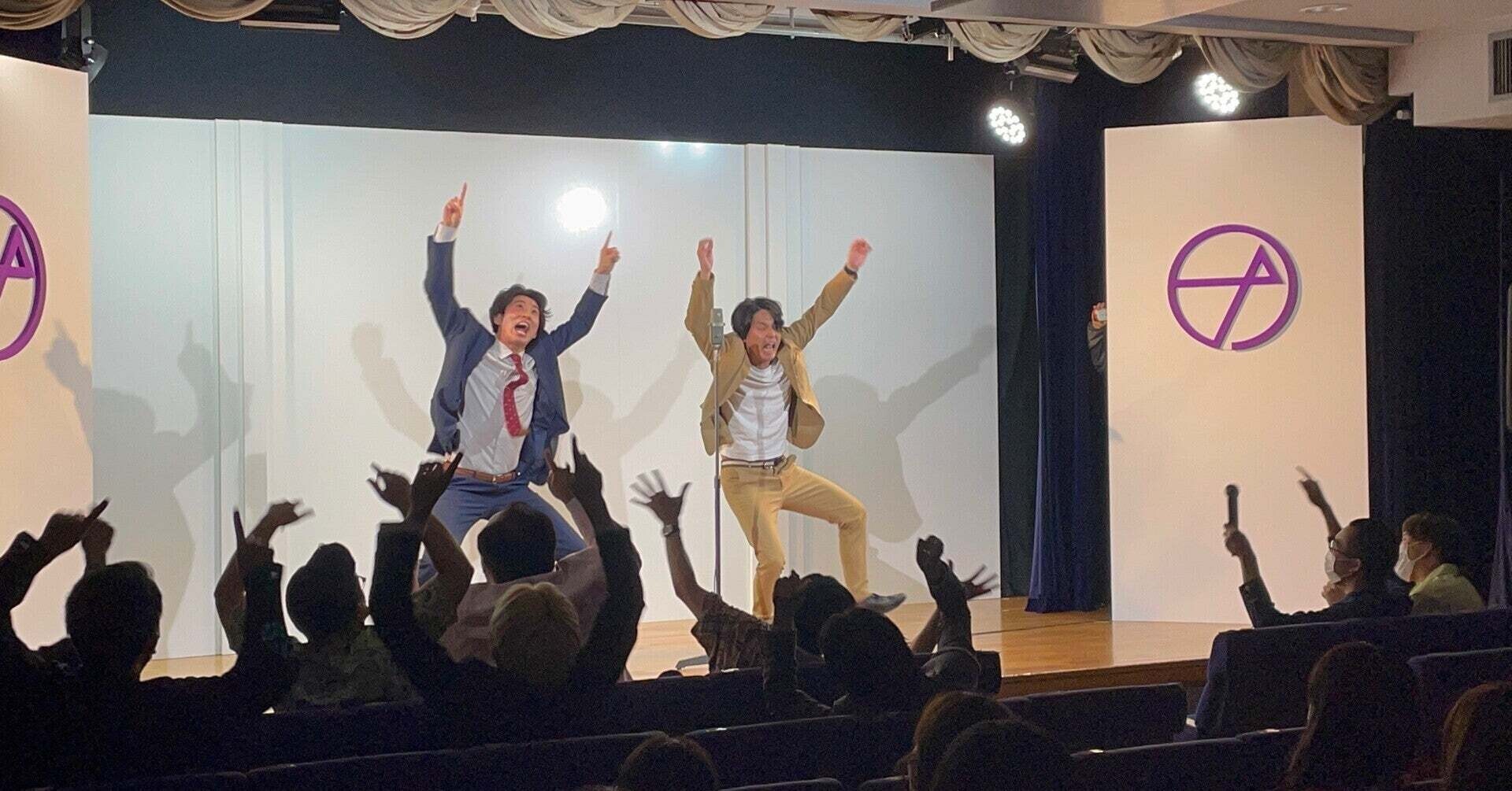
In the spring of 2020, due to the pandemic, live comedy shows could no longer be held in front of an audience, and we began online performances without audiences. "Can a comedy show without the laughter of an audience even be successful?" This was an online live show we started with that anxiety, but it became an important place for comedians who had nowhere to go, fans of comedy hungry for laughter, and comedy fans living in rural areas, holding over 900 online live shows in about a year and a half.
From April this year, we also started operating a permanent theater, and the number of events has increased even more. A professional group in comedy live and event production that continues to provide laughter through a hybrid of live audiences and streaming, K-PRO.
This time, we spoke with K-PRO's Takuumi Tomizawa about the new possibilities for comedy live shows born from online performances.
Interview: Fujijun
Until now, it was limited to a few customers, but now it can be seen nationwide
- First, how is the current situation in theaters lately?
Tomizawa:
Since the declaration was lifted, I feel that customers are returning to the theater. However, we are still far from the pre-COVID situation, so we are trying various things every day to regain the excitement of those times.
- How about online live shows? During the pandemic, not only the streaming side but also the viewers' environment has improved. While it feels that streaming live shows have become generalized, are there still more customers using online services now?
Tomizawa:
While the number of viewers for regular live shows has slightly decreased, it seems that special events like solo shows or planned live shows are still being watched by people in rural areas.
- It's significant that people in rural areas can now watch, isn't it?
Tomizawa:
Yes. Since we perform in a small theater in Shinjuku, it used to feel like it was only for a limited audience, but now we can be seen nationwide. Unlike music concerts, comedy hadn't spread much on platforms like YouTube, so it was something you could only watch in theaters.
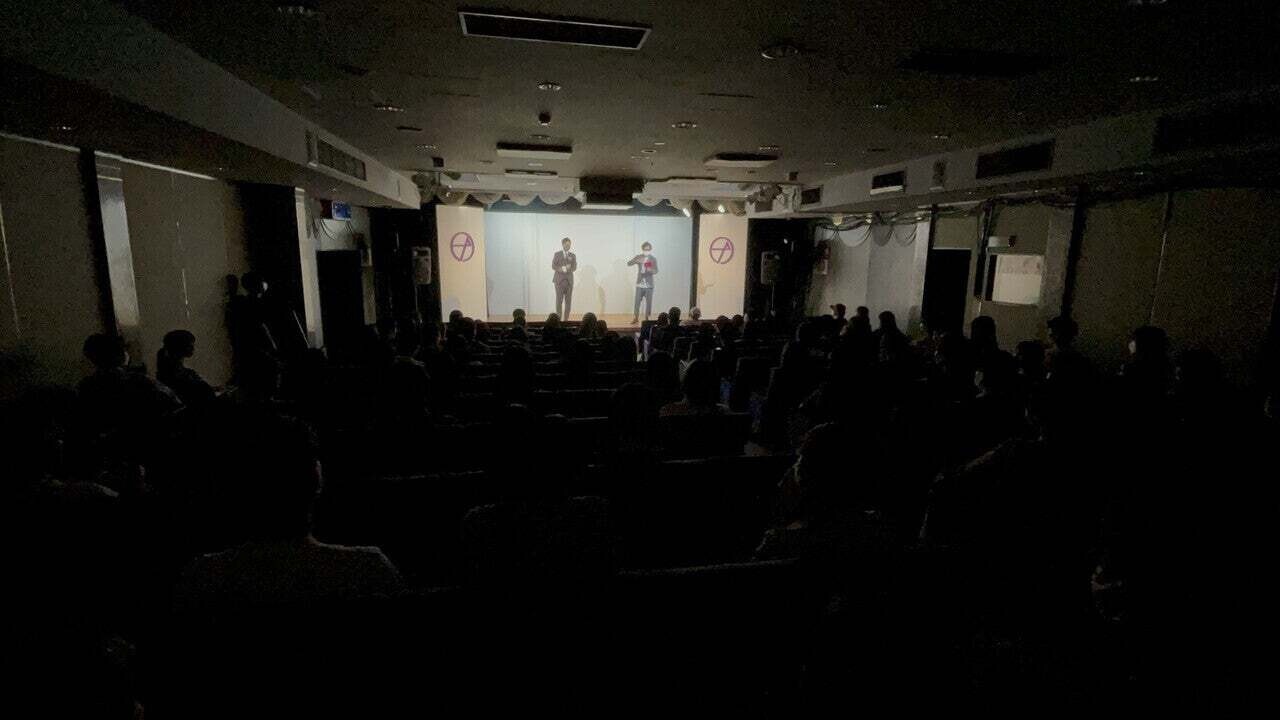
- Is there a clear divide between customers who regularly attended the theater and those who only watch online?
Tomizawa:
There are quite a few who say, "I can't go today, so I'll watch online." Among the core fans, there are those who want to watch every live show of their favorite performers. Even if they have other plans or are double booked for a performance they can't attend, they can always watch it online. They are using it as a way to see it in the archive. After the live show, there are times when fans check it out because they heard, "They were talking about so-and-so."
- The way of enjoying comedy live shows is also changing due to online influences.
Tomizawa:
Yes, until now, what used to be completed in the theater is expanding into various forms of enjoyment because of online platforms.
There was hesitation, wondering, "Can we create something that can make money online?"
- When did K-PRO start introducing online live shows?
Tomizawa:
We began around March last year when we were approached by ZAIKO. Initially, we were using a tip system on YouTube, but it was with ZAIKO that we first used paid streaming tickets for online live shows.
- I think K-PRO also has a strong commitment to theaters and live performances, but didn't you have resistance to online live shows?
Tomizawa:
We had only done live performances in theaters, so when we became audience-less, we thought comedy live shows couldn't be established. Since comedy relies on the audience, there was hesitation in wondering, "Can we create something that can make money online?" I also had concerns about whether the motivation of the performing comedians would increase, as it's different from television. But there were definitely customers who wanted to watch even without an audience.
- The audience must have been seeking laughter, and comedians who lost their live performances were looking for a place to perform, right?
Tomizawa:
Comedy completely stopped during the pandemic, and while there were streams via ZOOM, the attraction diminishes significantly without live interaction. Many customers expressed that they wanted the comedians to stand on stage and talk. Even without an audience, some comedians felt, "This is what it's all about," and many thought, "We have to do this on a live stage."
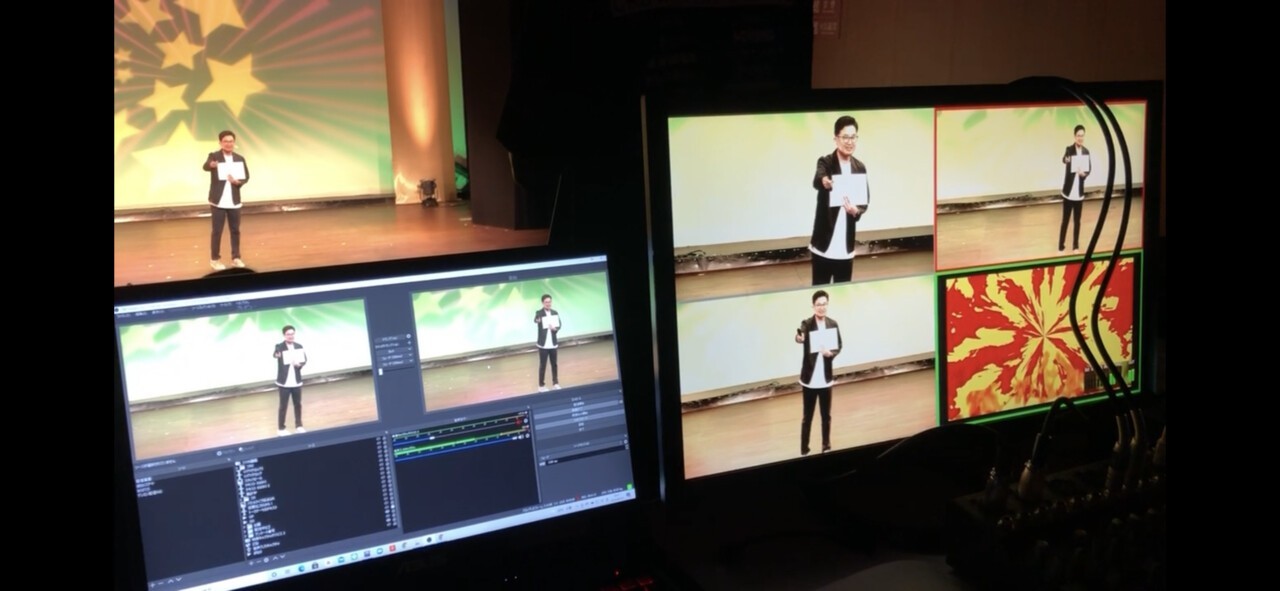
- In online live shows, where there are no direct laughter or immediate reactions, did you have any moments or timings where you felt, "This is okay"?
Tomizawa:
When we first did a paid streaming live show, we received feedback beyond our expectations. When I realized that customers were looking for this, my worries about whether it was better to do it than not were alleviated. From there, we started increasing the number of shows.
The visible reactions were that when we were doing it on YouTube, we received a lot of comments, but it was mostly from customers watching for free. When we switched to paid streaming, we received words of encouragement like, "Please do your best" from customers who had been watching K-PRO live shows so far. A flow of engagement developed, beyond mere streaming.
Moreover, we have been doing this for around 15 years, and there are people who used to attend theaters but, due to marriage and moving to rural areas, have started watching shows again during COVID. Many of them continue to watch us now, which is a flow that never existed before.
Consciously trying to create a major event that "I want you to buy this!"
- K-PRO has a long history of starting comedy shows made by people who really love comedy; is there a fan community that says, "I want to watch because it’s K-PRO's show?"
Tomizawa:
There are indeed customers who say, "I can come here and feel safe because it is a K-PRO event." Outside of Yoshimoto Kogyo, when it comes to comedy shows in Tokyo, we have become somewhat of the mainstream. We provide comedy in a non-underground manner, so our audience feels secure coming to us, and we have a long-standing history, allowing us to earn the trust of both the audience and comedians.
In other live shows, they tend to focus heavily on veterans or only young comedians, but in our case, we have a vertical flow from veterans to young comedians, which is a strength that allows us to cover all generations.
- Recently, comedians like Pekopa have held solo shows. There is a K-PRO brand that can be chosen by comedians with confidence.
Tomizawa:
We always think of ways to make it so that "if you ask K-PRO, they will bring your ideas to life, all you have to do is think of the material."
- You are professionals in creating live shows, but did you encounter any difficulties or challenges when it came to adding streaming as an extra component?
Tomizawa:
In the beginning, I had no idea where to start, so rather than hiring a company, I had to research it all myself from scratch. I consulted the ZAIKO sales team, asking, "What level are others doing this?" Looking back at the quality, the early stages were quite rough (laughs). Gradually, I learned various things, and before I knew it, we were at a certain level of quality. Since we have a high number of performances, I learned out of necessity.
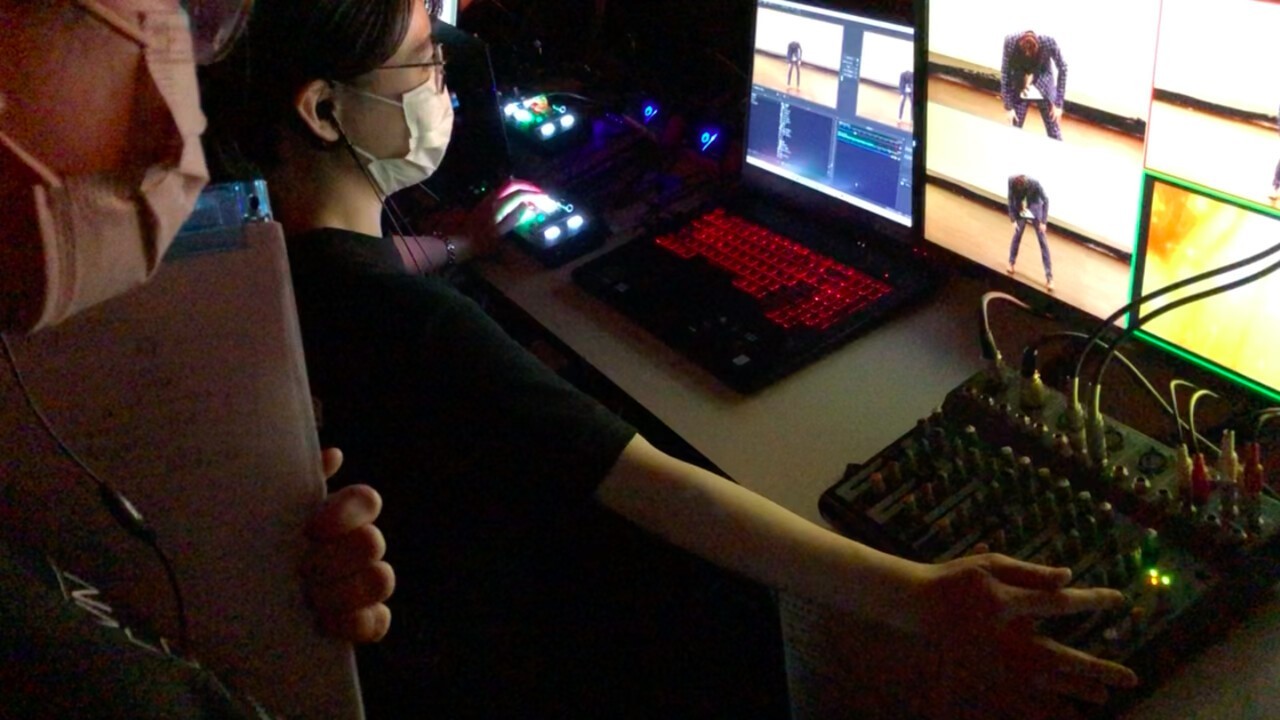
- Looking at the list of events, you have over 900 streaming events just with ZAIKO (laughs). From this April, you also started operations at the permanent theater "Nishi Shinjuku Naru Geki," where you hold live performances and streaming, but was the streaming environment set up there?
Tomizawa:
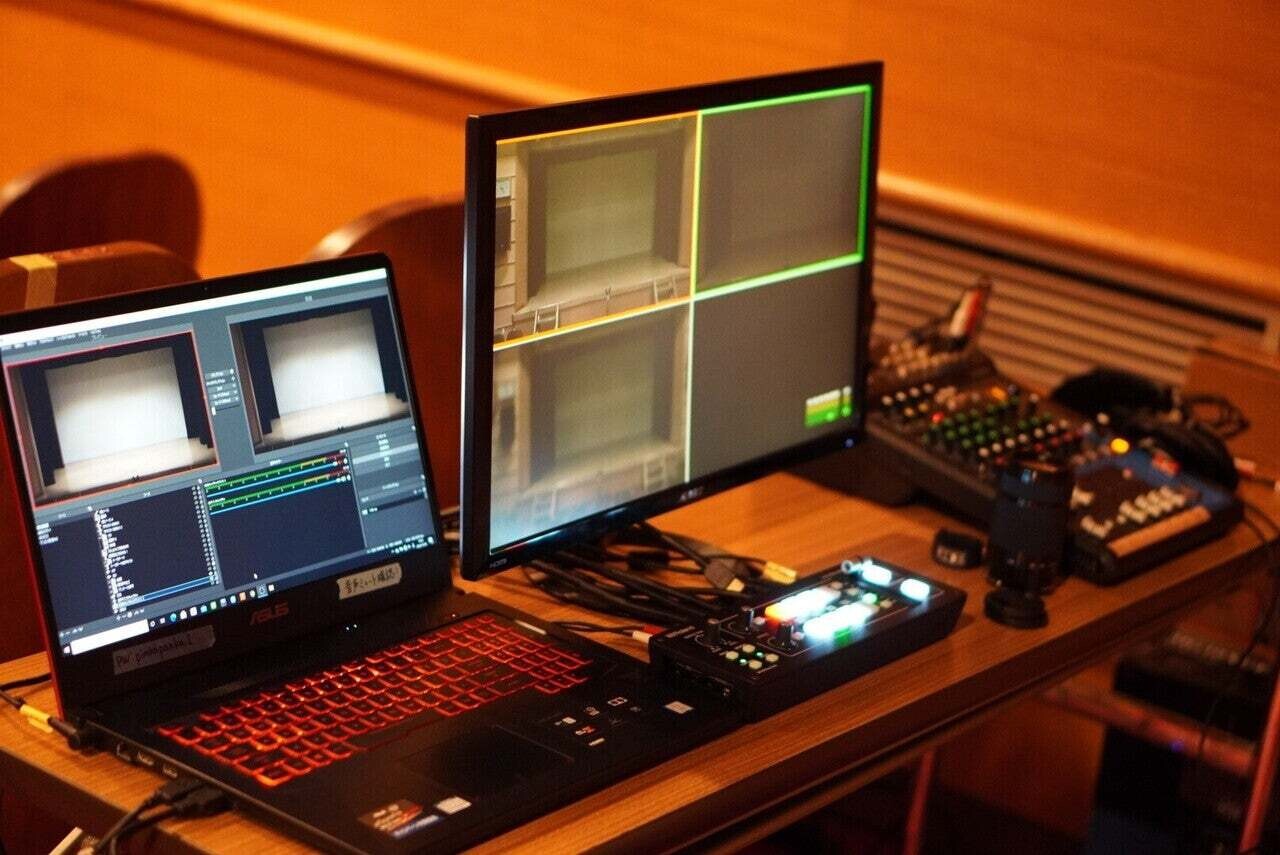
It’s similar to a regular theater; we have wired LAN set up but nothing special for streaming. Previously, we rented a theater and held live shows about four days a week. Now that we have a permanent venue, we have daily performances, which significantly increases the number of shows produced. This has created more opportunities for customers to buy streaming tickets.
- Among the online events you have held, which live show stands out the most to you?
Tomizawa:
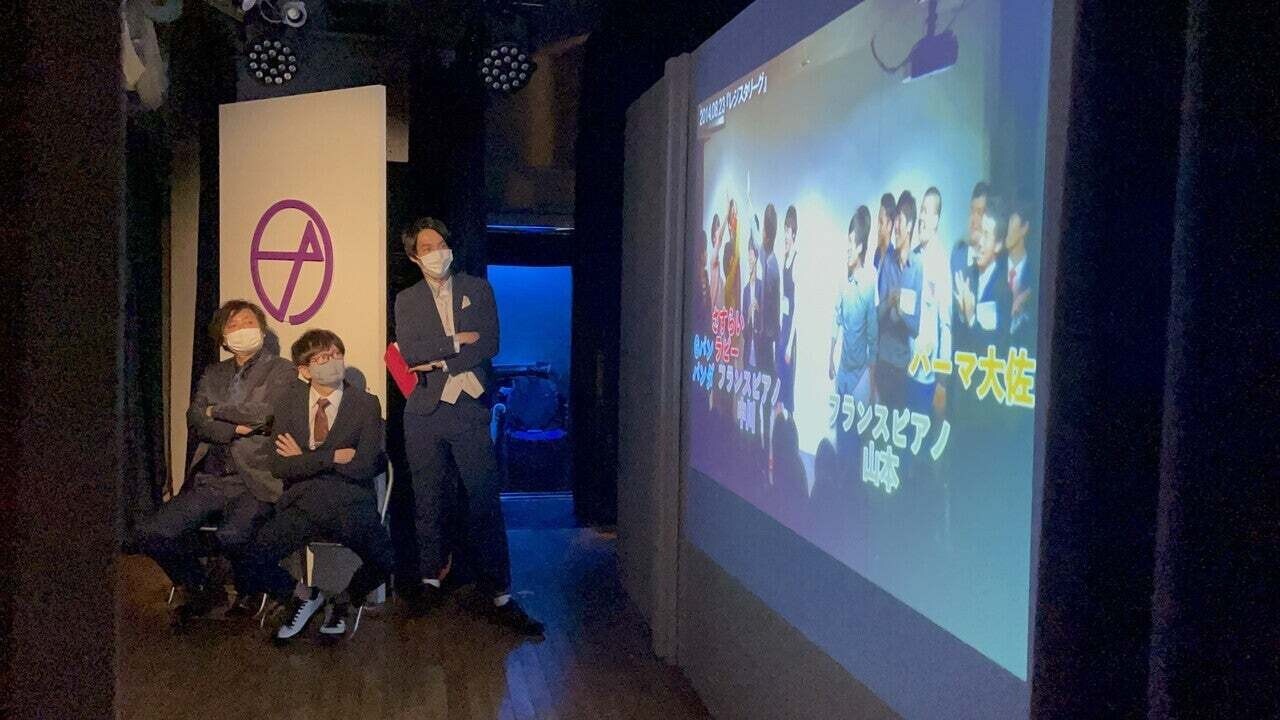
The first paid live broadcast I mentioned earlier was at the end of March, and during the subsequent four months of not being able to allow customers, the live show "Thank You K-PRO Comeback Live 'ALL RE: START' – Thanks to everyone, we can perform live!" was particularly memorable as it was the first live we did after 123 days backstage.
We gathered performers who have been a part of K-PRO, and together with the staff and audience, we shared the excitement of the long-awaited real-life resumption, which was a precious experience for everyone present.
I still can't forget that excitement.
- Originally, solo shows were seen only by a limited audience in theaters and later sold as DVDs. With the spread of streaming, it has become an opportunity for many more customers to see it, right?
Tomizawa:
Yes. Solo shows aren’t typically held in large venues. Generally, they would do two shows and then release them as DVDs, but being able to see them live online allows more people than ever to watch, which is wonderful.
- Events like Uji Kouji's 20th-anniversary live have allowed important shows to be seen by people all over the country, which must be a happy thing for comedians.
Tomizawa:
Uji Kouji is a nationally recognized comedian, and not only the fans of the comedy scene but also many who knew them from television and want to see them in local performances. The number of viewers is definitely higher with streaming, and that’s been true. There have been revenues generated that wouldn't have existed without streaming.
- During the period when you couldn't have live audiences last year, the revenue generated through streaming was significant for your company, wasn’t it?
Tomizawa:
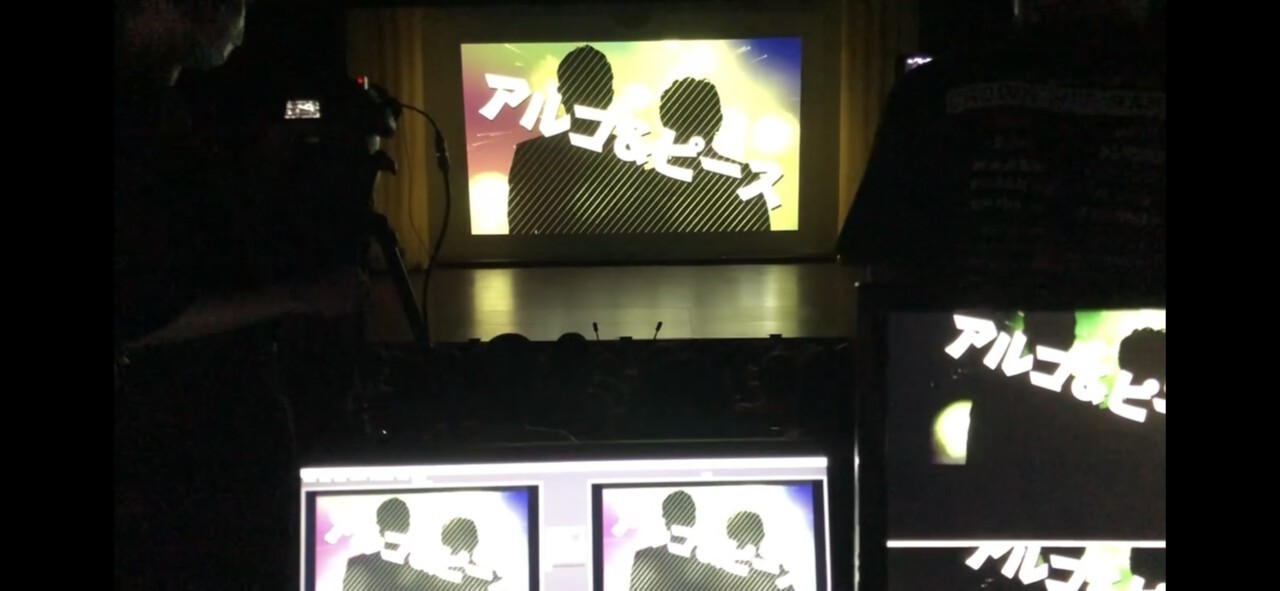
It was significant, but streaming isn't something you can just do indiscriminately. We were conscious of creating a major event that "I want you to buy this." The two-man live show with Ranjatai and Kyu, which gained a lot of attention during last year's M-1 Grand Prix loser revival round had us moving quickly from the day of that revival, ultimately becoming an event that greatly surpassed our streaming record, generating huge buzz among comedy fans.
- Now that you can fill full capacity with audiences, will you continue the hybrid of live audiences and streaming?
Tomizawa:
We intend to continue. Even when we can hold full capacity shows at the theater, many customers still won't be able to attend, so we want to keep streaming.
From here, I want to focus on filling venues while also expanding streaming.
- Again, what made you choose ZAIKO as your streaming platform?
Tomizawa:
At first, I was researching and looking for platforms online. ZAIKO stood out because of its low fees and a remarkably high level of freedom compared to other companies. There aren’t many companies that hold live shows daily like ours. Only ZAIKO would allow me to create an event outline quickly and get to the sales stage. After using it, I genuinely believe that given our method, ZAIKO is the only option.
- Beyond freedom, have you found anything convenient in ZAIKO’s functions and services?
Tomizawa:
In the last year, ZAIKO has been adding more features. The speed at which they have implemented features like comment sections and tipping, which we hoped for, has been really impressive.
The sense of it being developed and completed bit by bit is fantastic. Initially, there wasn’t a unique comment section, and there were requests for a YouTube-like comment section or a way to organize hashtags; those have been implemented. I realized the difference in satisfaction levels for customers with or without these features.
The ability for customers to include an additional “feeling” when buying a ticket is something that wasn't available before. It seems some customers were willing to contribute more, and during the first paid live stream, people were tipping amounts beyond the ticket price. I thought that was a nice function to have.
- It must be that the audience felt that streaming live performances were necessary and wanted them to continue. There was likely a sentiment to support their favorite comedians too.
Tomizawa:
Exactly. Whenever new functions are added, I think, "If we were to use it, how would we do so?" and I approach it with that mentality.
- Conversely, were there any disadvantages to online live shows?
Tomizawa:
It's not precisely a disadvantage, but comedy is much funnier when the audience is physically present. I would be thrilled if those who enjoyed the streaming could come out to the theater and enjoy live comedy.
- Since ZAIKO originated from electronic ticketing for live audience events, we hope that you'll use it even when real events fully resume!
What would you like to try using streaming for in the future?
Tomizawa:
It may already be standard for music concerts, but I would like to try a service that allows customers to switch views as they watch. Kamaitachi has been at the forefront of such services, and I think if we can create such performances, our audience will be able to enjoy something that can only be experienced through streaming. Also, we have a significant event called "The Front of the Line 43 in Tokyo International Forum" scheduled for November 24, which will be held for both live audiences and streamed. Given that the Tokyo International Forum has large capacity, one of the challenges will be how we utilize streaming in such a setting.
https://kpro-web.com/lives/68/
- As the organizer, do you have any new ideas for this large-scale live event?
Tomizawa:
Rather than just promoting it as "We’re also streaming,” I think we must make a concerted effort to fill the venue while also trying to expand streaming, which presents a significant challenge. There are definitely people who may think, "Is it even worth going to a packed venue since they can just watch online?" So, how to address that has become a crucial point for this event.
- In the 15 years of history, have you ever had a large-scale event at the level of the Tokyo International Forum?
Tomizawa:
It was supposed to be at Shibuya Public Hall, but it was canceled due to Covid. We were sold out and ready to perform, but we had no choice but to cancel. So now we are at the Tokyo International Forum with a similar scale venue.
"The Front of the Line" has been an important event that we have continued since the early days. As an annual major event where the leading comedians of the era gather, it had been interrupted due to COVID-19, so at the right timing when things started to calm down, I wanted to hold this event as one of the first shows. I wanted to express the feeling of wanting to create a new scene after COVID.
- The audience watching comedy live under restrictions of wearing masks and not being able to make any noise must be eager to "fully enjoy it," right?
Tomizawa:
Yes. Over the past few months, the audience has been coming to theaters to enjoy shows, but the scale has definitely decreased. Those who hesitate to go to theaters are likely enjoying the performances online. Among the audience watching the stream, many are doing so on the premise of wanting to see it live; once a completely safe space to watch is established again, I believe more people will return to theaters.
- As you continue streaming events, is there anything ZAIKO can help with?
Tomizawa:
There are so many events that sometimes I fall behind or miss things. I know that there are requests I make that would seem unreasonable to other organizers, so I would appreciate your continued support!
More articles
FUJI&SUN '26 artist lineup and timetable announced!
FUJI&SUN '26 artist lineup and timetable announced!
ニュース
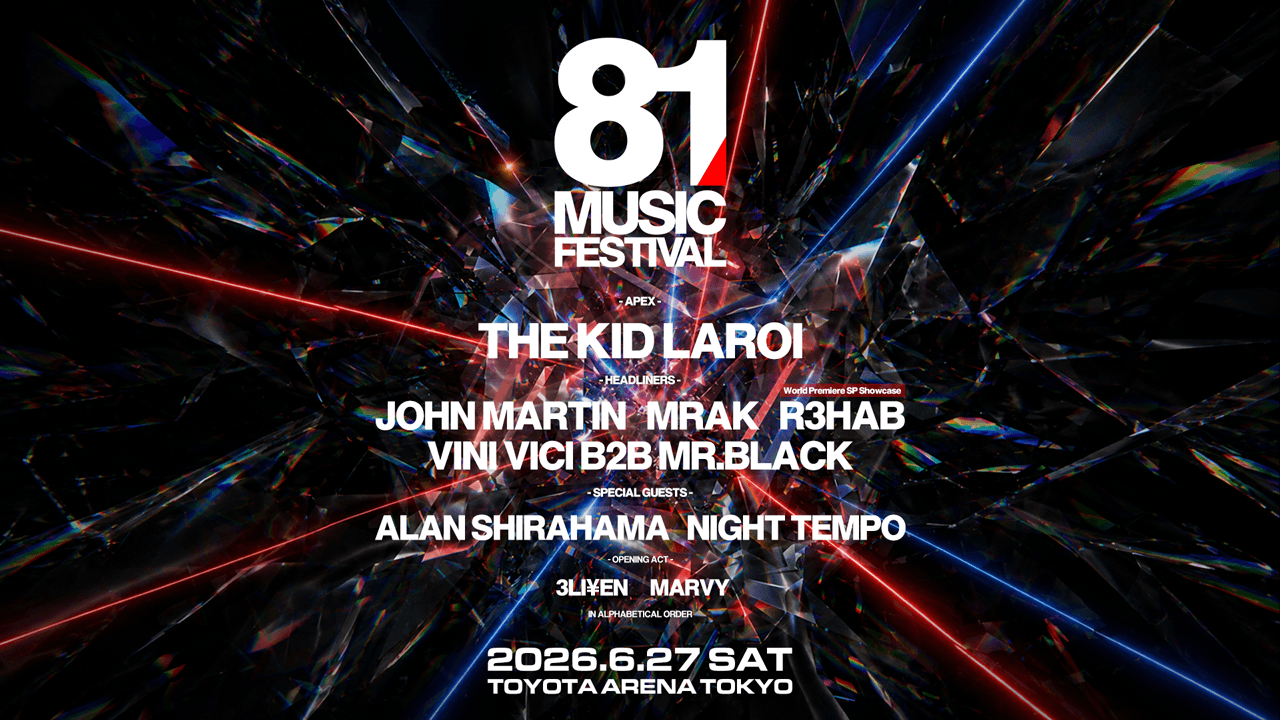
Full lineup announced for the new urban music festival “81 MUSIC FESTIVAL”!
Full lineup announced for the new urban music festival “81 MUSIC FESTIVAL”!
ニュース
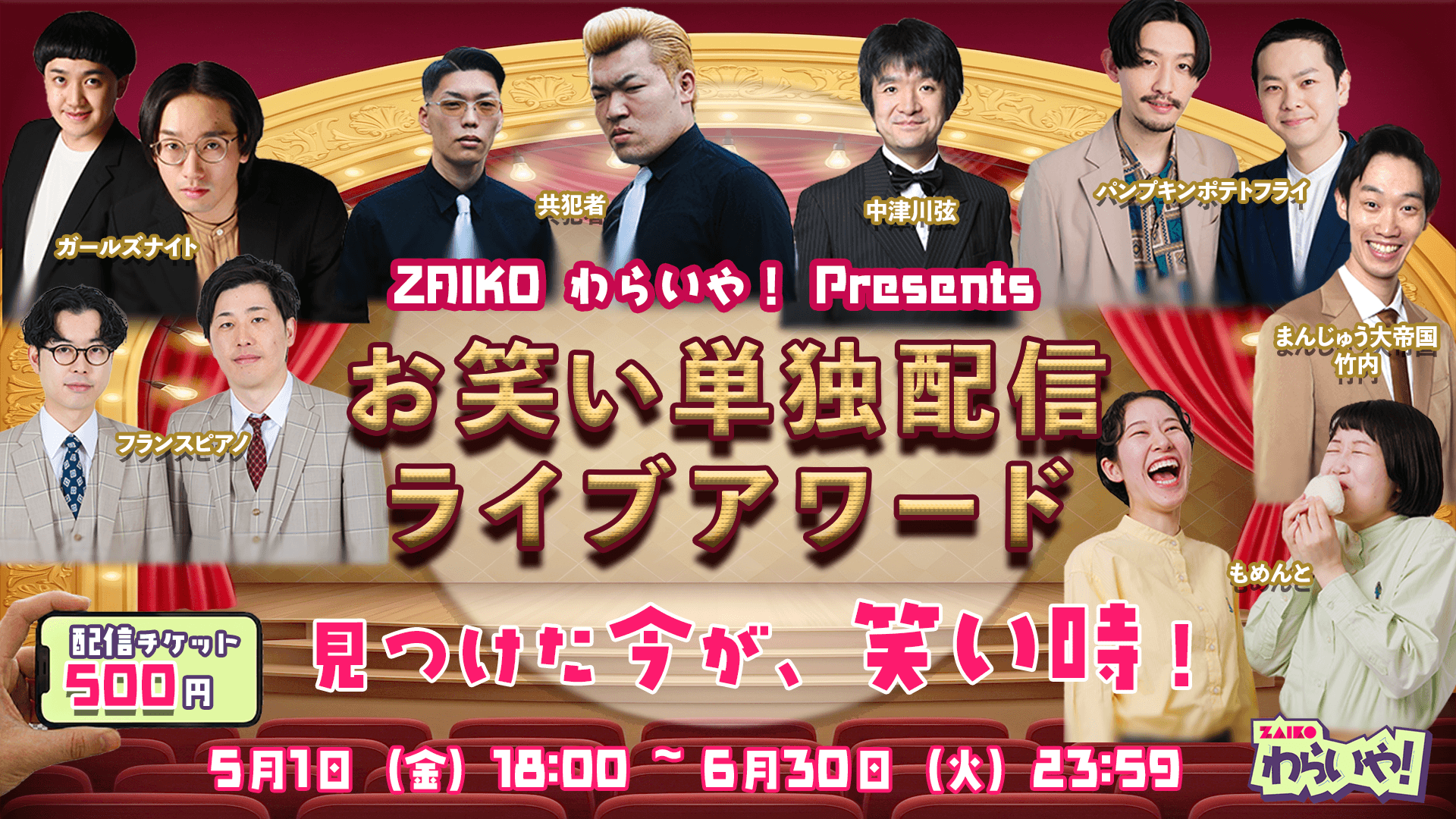
ZAIKO Waraiya! Presents: “Comedy Solo Streaming Live Award” — Held on Friday, May 1!!
ZAIKO Waraiya! Presents: “Comedy Solo Streaming Live Award” — Held on Friday, May 1!!
ニュース