Current page
Discovering latent demand through the digitalization of events: An interview with the Chief Operating Officer of a live streaming company about the post-corona era.
News
Discovering Potential Demand through the Digitalization of Events: Insights from the COO of a Live Streaming Company Post-Corona
The spread of the COVID-19 virus has significantly changed the entertainment world. One result is the rise of internet streaming for live events, including music. This streaming has tapped into the demand from people who are far from the venue or those who cannot attend due to having children, making it possible to connect with fans worldwide. We spoke to Lauren Rose-Coker, the COO of 'ZAIKO', a company that provides electronic ticket sales platforms and has conducted over 5,000 paid live streams, about the current situation and prospects in the post-Corona era. (Cultural Division, Masahiko Morimoto)

Experiences Impossible in Reality
“Many events were canceled due to COVID, causing trouble for both companies and clients. So, when we proposed paid streaming, it sold more than we expected, and inquiries kept coming in,” explains Lauren regarding the shift to paid streaming in March, right after the government called for a suspension of large-scale events in February last year.
More than 5,000 paid live streams have been conducted using the company’s services, equating to about 1.5 million tickets sold. The streams cover a wide range of genres, including not only music but also performances by comedians, storytelling, theater, publishing events, and sports.
There is a strong sense that the shift to streaming has been driven by the need for infection prevention, but it has also shown the new possibilities for live events. Lauren states, “There are various circumstances, such as people with small children who cannot go to live venues or those whose favorite artists do not visit their area, and we receive feedback like ‘I’m so happy’.” Because streaming can be accessed anywhere with a good internet connection, fans of Japanese artists overseas have expressed reactions like ‘I’m really happy to watch it live with fans in Japan.’
Unlike physical events where the audience views the stage from fixed seats, streaming provides images from various angles. Filming can occur close to the artist or from above, and backstage scenes can also be featured. Lauren explains, “What’s common in recent digital events is that there is a stage in the center of the venue, and cameras rotate around it. This is more like filming a music video than a concert DVD, providing experiences that are difficult to have in a real event.”
Utilizing one of the unique aspects of the internet — interactivity — events with chat features can foster a sense of community with the artist and other attendees. “It’s not about choosing between real and digital events; rather, we feel that the experiences are different,” she says.
Enabling New Expressions
Of course, there are risks as well. There was an instance during a live streaming event where everything was prepared, but the venue experienced a power outage. Depending on the state of the internet, viewer environments can also face inconveniences.
Lauren notes, “There might be artists or organizers who find streaming a bit scary because it’s unfamiliar and carries risks. Conversely, many artists are proactively streaming, saying, ‘We can express things that were previously impossible.’”
For example, organizers can respond to viewer comments during the event or collect questions in advance to discuss them. This interactivity, a characteristic of digital, allows for exchanges between artists and fans.
Transformations Through Digitalization
The movement towards streaming has intensified during the pandemic, but what will happen when the situation stabilizes and real events can be held again as before?
Lauren predicts, “I believe there will be a rise in hybrid events where tickets are sold for those who want to attend in person and streaming tickets for those who prefer to watch from home.” She explains that some artists are already selling admission tickets, streaming tickets, and tickets that include rights to view archived footage of the event.
With the spread of electronic tickets, the progress of event digitalization is also expected to advance. “Previously, only advance and same-day tickets were offered, but with archived footage available, organizers will be able to sell tickets even after the event concludes. If fans attending in person think ‘This is great,’ they can make tips, or after the event, artists can send thank-you message videos,” she explains.
Just as streaming services have become more prominent in the music market, events will also transform alongside digitalization. Lauren notes, “Unlike the era of CDs, with services like Spotify, music can be accessed globally in an instant. This was a trend in the world of audio sources, but events might similarly evolve to allow participation from all around the world.”
More articles

ZAIKO and AppBank Inc. Begin Collaboration to Maximize Event Value by Leveraging Corporate Networks
ZAIKO and AppBank Inc. Begin Collaboration to Maximize Event Value by Leveraging Corporate Networks
ニュース
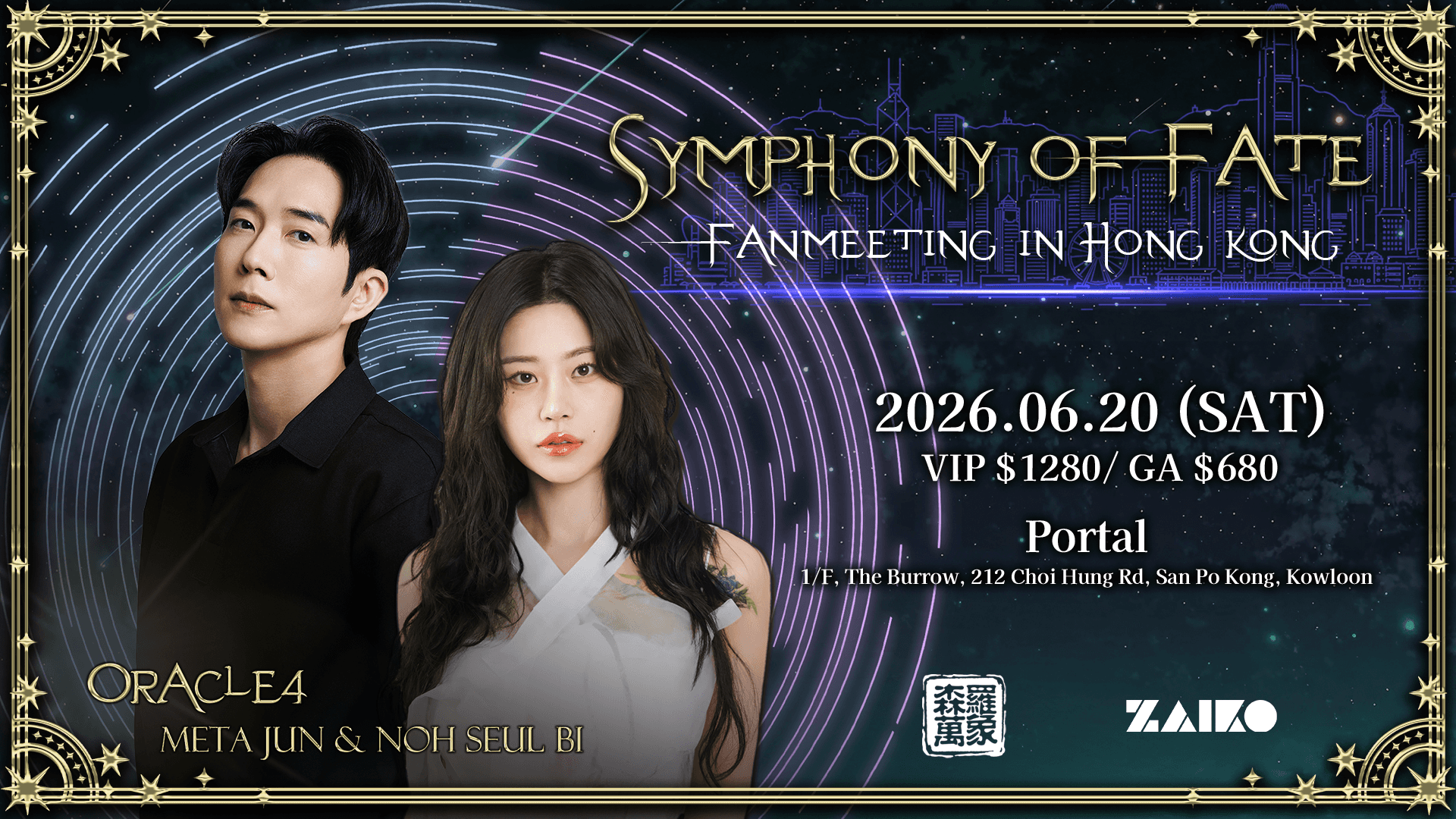
Fan Meeting & Fortune-Telling Sessions with Korea's Most Popular Fortune Tellers Noh Seul Bi and Meta Jun — Stars of the Hit Reality Show "Battle of Fates" — Coming to Hong Kong for the First Time!
Fan Meeting & Fortune-Telling Sessions with Korea's Most Popular Fortune Tellers Noh Seul Bi and Meta Jun — Stars of the Hit Reality Show "Battle of Fates" — Coming to Hong Kong for the First Time!
ニュース
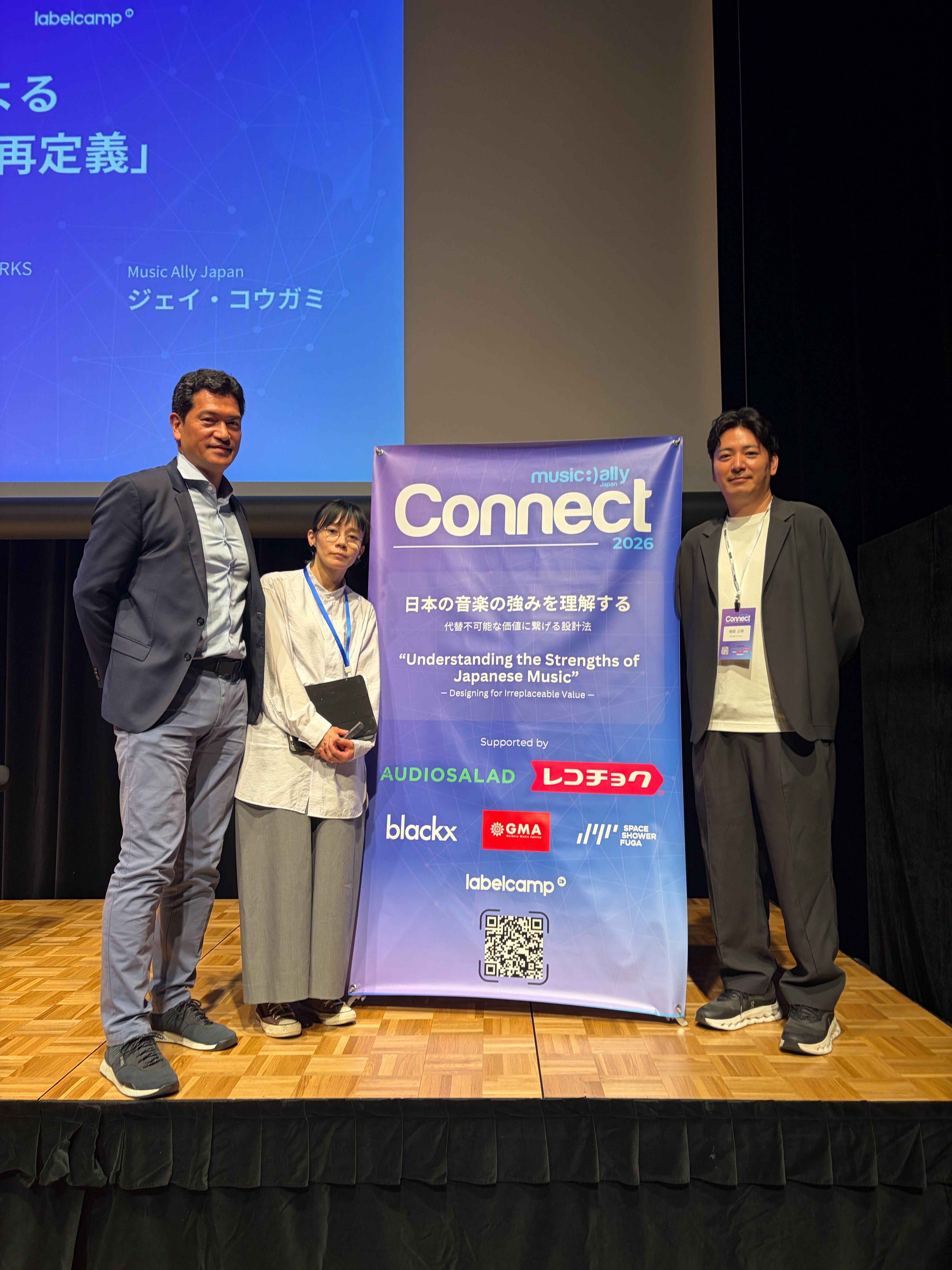
Our Representative Director, Shimada, spoke at Music Ally Japan Connect 2026. 🎤
Our Representative Director, Shimada, spoke at Music Ally Japan Connect 2026. 🎤
ニュース