Current page
[Special Project ①] How to do live streaming? What are the tips that beginners should know to succeed in streaming?
Research
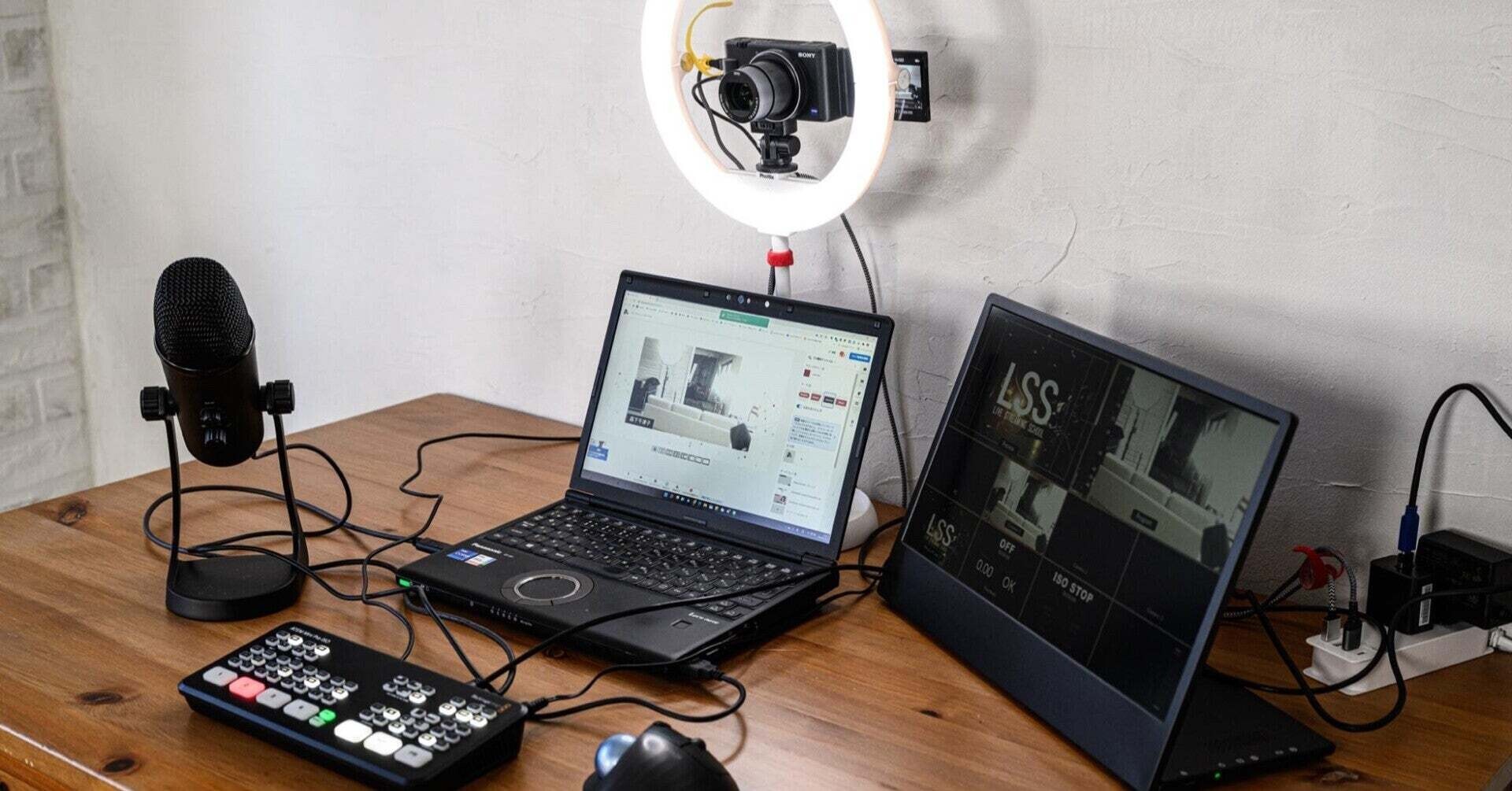
Since the outbreak of the novel coronavirus, not only entertainment content such as music concerts, theater, comedy, and fan meetings, but also various other content that was previously held in person, such as corporate online seminars and fitness sessions, have started to be broadcast live.
Moreover, recently, hybrid events that combine online live broadcasts with in-person events have been increasingly seen.
However, many people may still be unsure about the equipment needed for live broadcasting and the necessary budget to prepare these items. Therefore, at Zaiko, we interviewed Chizuko Morishita, the CEO of the professional equipment retail store “Pro Kizai Dot Com,” which handles a large number of professional broadcasting and video production equipment.
This time, we asked her about the current situation of live broadcasting, the mindset for beginners starting their broadcasts, and tips for enhancing and succeeding in live broadcasting.
The Latest Trends in Online Broadcasting and Necessary Equipment
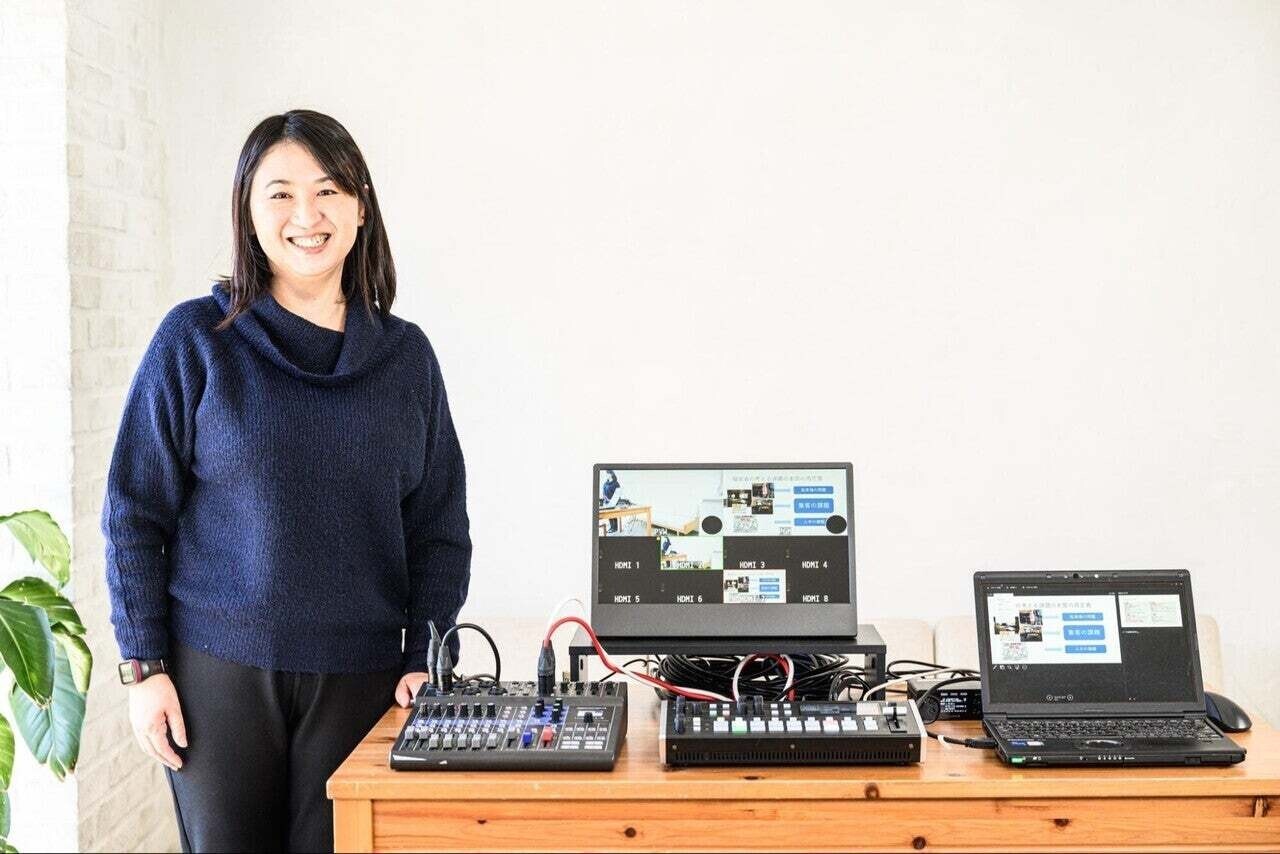
What forms of broadcasting are currently mainstream in online broadcasts?
The most common are seminars and online schools. Additionally, recently, online broadcasts of corporate exhibitions and product announcements have begun to take place.
When the pandemic began and it became impossible to admit people into live houses, the music industry was the first to pivot to broadcasting. That year, early on, subsidies for J-LODlive were provided, leading to concerts being conducted online; however, monetizing live concerts solely through online broadcasting was limited to top-class artists. Therefore, in many cases, it was still a challenge to generate revenue without having people attend the venue.
Later, as regulations were eased and performances began to take place with social distancing in mind, it seems that hybrid events where live broadcasts are conducted alongside real events increased.
Corporate seminars have also increasingly been conducted in the form of webinars. Recently, not only free broadcasts but also paid broadcasts are frequently seen.
Yes, most of the free broadcasts are virtually product launch events or PR seminars that initially took place in person as part of PR activities. For instance, online broadcasts of new product launches are expected to be properly monetized through product sales later, so companies budget appropriately for PR activities. On the other hand, paid seminars that were originally conducted offline are now being successfully managed online as well.
Online events allow people living in remote areas to participate regardless of location, eliminate transportation costs for distant speakers, and allow for recruitment of participants without being limited by venue capacity, which are some of the benefits.
Since the pandemic, online broadcasting has expanded. Are there now more businesses, such as live houses and companies, that are preparing their own broadcasting equipment?
Some cases involve outsourcing the broadcasting itself to specialized companies or renting equipment to conduct the broadcasts, but personally, I feel that there is an increasing number of businesses acquiring their own equipment.
There seems to be a kind of allure with broadcasting equipment; once you see the equipment, many people feel the urge to gather more and more different types of equipment.
This trend has been evident since before the pandemic: even people who had never broadcast before may be inspired to obtain their own system after visiting a studio equipped for recording.
Additionally, if a company regularly conducts webinars, it can be more cost-effective to build their own equipment progressively rather than renting equipment every time; thus, it’s not uncommon that they switch to owning their own equipment after starting to broadcast.
Furthermore, when renting, setting up each time can be cumbersome, and it’s necessary to verify that the equipment works properly. However, with personal equipment, since it’s used regularly, there is a sense of assurance regarding its functionality, and the settings can remain customized. This convenience of setup is a benefit of owning equipment. Therefore, if broadcasts are to be frequent, while there will be initial costs, acquiring your own equipment is recommended.
What trends are there in the equipment used for live broadcasting?
To start broadcasting, at a minimum, you need four things: a camera, a microphone, a video mixer, and an audio mixer, and the choice of equipment changes depending on the content of the broadcast.
For example, if a small seminar or talk show is being broadcasted from a small studio with one speaker and an MC, a consumer camcorder or compact digital camera, a lapel mic, and a switcher costing under 100,000 yen would suffice for broadcasting.
However, if using a large conference room or hall, compact digital cameras may not have sufficient zoom lenses, and long-duration recording is not feasible, so professional camcorders are required. Additionally, for those who have come to recognize the quality of the video over time, using a DSLR camera that allows for background blurring and focusing on the visual composition is also a good idea.
Important Aspects of Live Broadcasting
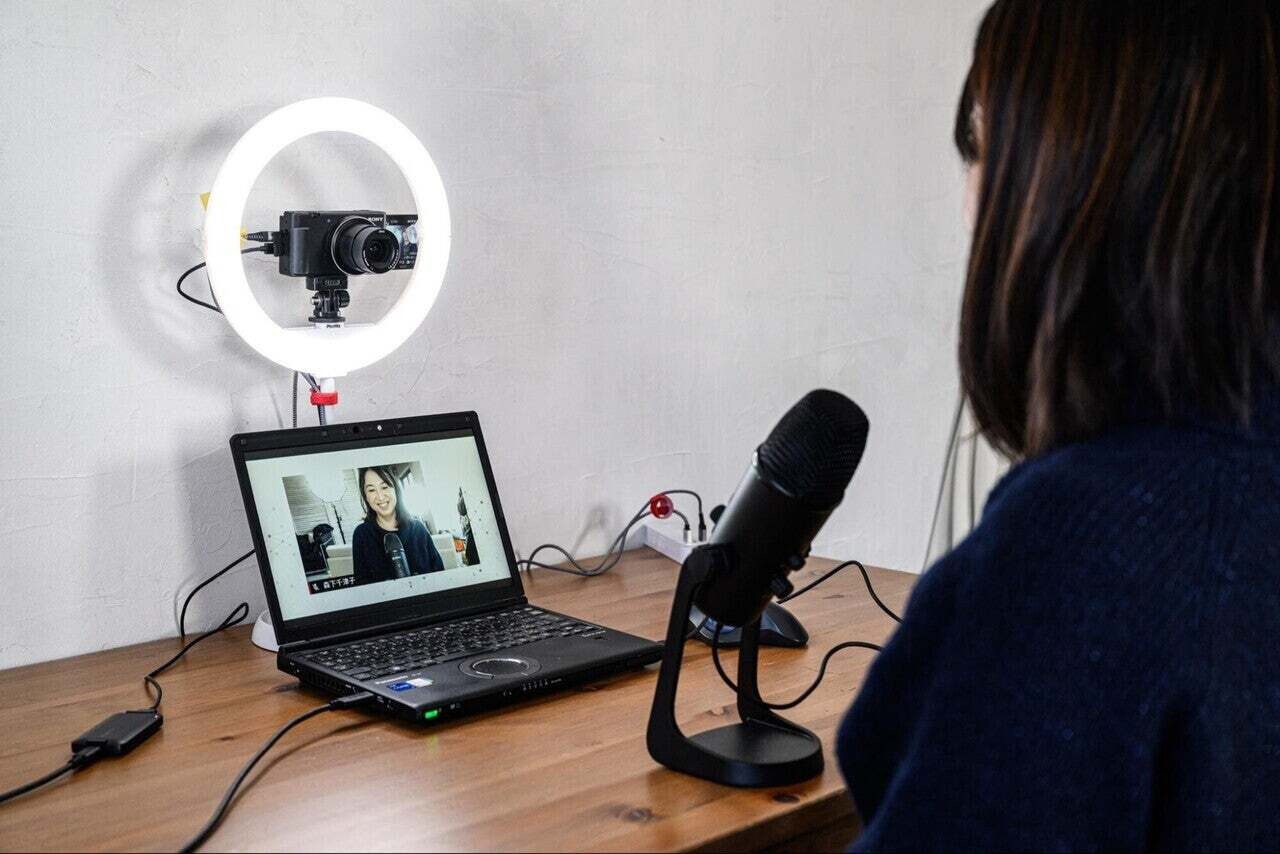
What common mistakes are made in live broadcasting?
Initially, one might experience various mistakes like “the purchased cable did not fit,” “for some reason, there is no audio,” “the video is flickering,” “the broadcast stopped midway,” etc. While there are now many broadcasting devices available at consumer prices, there are still many aspects that professionals take for granted that are not explained, and surprising pitfalls abound.
Are there any tips to avoid these issues?
First, it is essential to go through the entire process, from setup of equipment to appearing in the broadcast, ourselves. Afterward, one should research any areas of failure or confusion online or ask surrounding professionals, but reaching an answer can be quite challenging.
Thus, I encourage you to utilize stores like ours that sell equipment (laughs). Once you succeed even once, you will fully understand the joy and benefits of live broadcasting.
When considering the structure of a live broadcast, is it better to prepare a storyboard in advance?
If a broadcasting company is handling the content for a company, that might be the case, but beginners initiating a broadcast usually do not prepare storyboards or outlines beforehand. In that sense, it’s better not to have too many preliminary meetings. For example, if the pre-show waiting room becomes too lively with interesting discussions, it might lead to satisfaction, and unexpectedly, they may not be able to maintain that liveliness during the actual broadcast. Therefore, while we do have some preliminary meetings, even if it would be very engaging, we consciously limit ourselves to an extent.
Moreover, live broadcasting has its charm in the real-time nature, including those moments where one might think, “Did I just say something strange?” It’s important to keep that in mind.
Unlike articles, in live broadcasting, even if you think you made a minor mistake, there is seldom a deep dive into it. If it’s truly a significant issue, it can be edited out later, so beginners shouldn’t overthink saying something wrong or feeling anxious; it’s better to relax and speak naturally, which often results in more engaging content. The unpredictability is part of the charm of live broadcasting.
Additionally, the interaction with viewers is another fascinating aspect of live broadcasting. When you’re speaking in a broadcast and directly receive viewer feedback, it can create enjoyment or feel rewarding for many people.
Should live broadcast participants actively respond to comments from viewers?
Indeed. In live broadcasts, without a two-way communication aspect, viewers may feel that recorded content would suffice. If during the broadcast, it becomes apparent that viewers want to delve deeper or learn more, those conversations can often expand. For instance, through interactions with viewers, stories or insights you never anticipated may emerge, and communication can arise between viewers who do not know each other.
I see. It’s essential to avoid one-sided communication.
We need to consider that the broadcast evolves into a community. While celebrities who are typically seen on television may feel distant, in live broadcasting, if your comment is acknowledged, that distance seems to close significantly.
Understanding Unique Methods of Live Broadcasting

Can these principles also apply to corporate seminars?
In the case of corporate seminars, it is quite rare for questions to be exchanged. However, many companies are still not very accustomed to live broadcasting, and presenters often struggle to extract engaging content effectively.
Out of the fear of failing, if scripts are overly rigidly created and followed, it’s as mentioned earlier, that it could just as well be a recorded session. If it turns into merely an unending one-sided presentation of materials, the content can become tedious and hard to convey. In such cases, becoming more aware of the live atmosphere can significantly enhance viewer comprehension.
Additionally, many companies and seminar presenters may not realize that the presentation styles differ between online and offline formats.
Is there a unique approach to presenting in live broadcasting?
Yes, the previously mentioned aspect of interactivity is one, and nowadays it is common to share materials via Zoom, with the presenter appearing very small in the corner of the screen. Moreover, the materials often do not adequately account for online formats, leaning towards formats that resemble distributing printed materials in a conventional sense. However, for online presentations, there is no physical handout, so the amount of information on a PowerPoint slide does not need to be excessive.
Instead, utilizing animation to convey dynamism, using pictograms rather than text, or simple diagrams for clarity can improve viewer comprehension. Additionally, the presenter’s gestures and actions are also essential. Furthermore, using Picture-in-Picture with the presenter shown small in the corner of the screen can sometimes result in unclear visuals when viewed on a smartphone. Thus, presenting images where the presenter's actions are integrated with the PowerPoint materials in a more prominent manner is necessary for better clarity of the content.
Indeed, it’s crucial to remember that the viewing devices for audiences are not limited to large PCs.
Nowadays, not only PCs but also tablets and smartphones are widely used for viewing broadcasts, so considering viewers' devices is important. Historically, video content was often created by companies that served as subcontractors for television stations, resulting in a predominantly television-centric production style. However, in today's era of live streaming, around 80% of people are watching on mobile devices or tablets. The viewing devices may vary depending on whether it's a daytime business seminar or an evening entertainment broadcast.
Especially for evening broadcasts, most viewers are relaxing at home and watching on their smartphones, making it difficult to read screens filled with tiny text like those seen on television. Additionally, viewers on smartphones often want to take screenshots for sharing on social media, so they may not appreciate excessive text clutter on the screen. Thus, it's important to consider how current broadcast audiences view on various devices, how they share content with friends, and how this intertwines with building communication. If there’s a mismatch in this area, the broadcast may end up feeling like just a simple stream.
In that sense, it’s also essential to consider how broadcasts will be shared. For instance, live commerce content viewed by millions around the world often garners over 10,000 shares on social media. Such content actively encourages viewers to share, incorporating those dialogues in such a manner that viewers feel compelled to share.
Younger artists and influencers seem to have a good grasp of these aspects.
Indeed, while younger generations may have a better understanding, many people from older generations who have been exposed to television for a long time still perceive live broadcasting through a traditional TV lens. Therefore, mastering this new live streaming culture is crucial for successfully conducting live broadcasts.
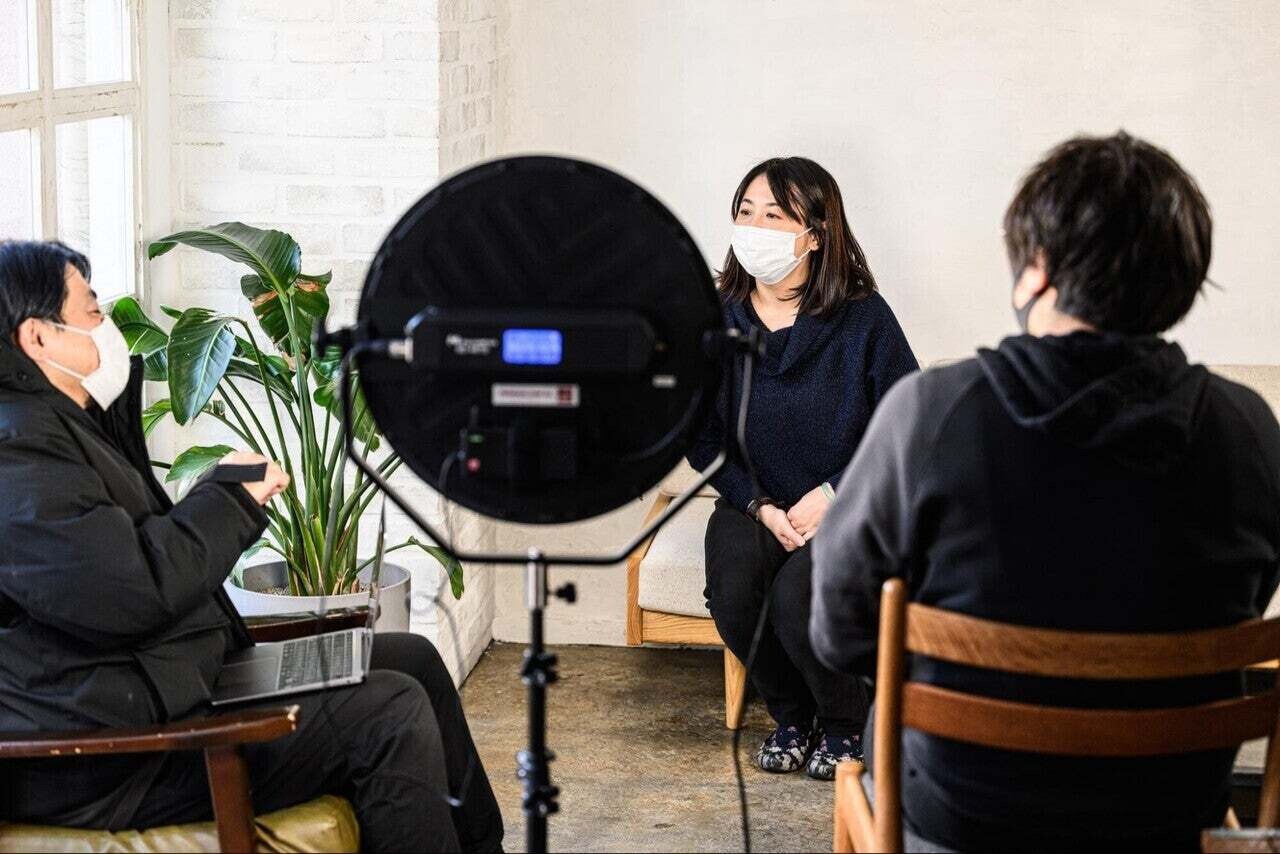
What kind of metrics should those doing live broadcasts set as target values?
To be frank, it’s unnecessary for unknown individuals to set such targets from the beginning. Setting numeric goals without any prior audience will likely lead to failure more often than not. Instead, it’s vital to focus on having people close to you, like friends, watch your broadcast, gradually increasing your fan base.
For instance, if a novice tries to start broadcasting on 17LIVE without any fans, they won’t reach anyone, making it very hard to maintain motivation while broadcasting every day with no reactions. Instead, they should first focus on having friends they connect with in real life watch. Gradually aiming to expand through word-of-mouth is much more beneficial. It’s all about starting close and consistently working towards expanding your community!
In this regard, clearly announcing on social media when live broadcasts will take place is also an important point. Especially for live commerce or paid seminars, once the day of the broadcast is set, it's crucial to create excitement leading up to that date through showcasing progress. However, reliance solely on one platform for announcements is insufficient; a multi-faceted approach is necessary.
Does that imply that real-world promotions should occur in tandem?
For example, even if you’re broadcasting on YouTube, it only notifies subscribers, making it a weaker promotional tool compared to other platforms.
Thus, while broadcasting on YouTube, you should also use other social media platforms such as Twitter, or for companies, newsletters for announcements. Additionally, it’s necessary to engage in real-world promotional activities concurrently, like posting posters in stores or handing out flyers in front of stations. Such modest efforts can be surprisingly effective later on, especially for commercial projects, so it’s advisable to carry them out.
It seems best to avoid impromptu broadcasts.
Generally, yes. However, having an impromptu announcement for broadcasting is permissible. That said, if you’re a beginner without a fan base on social media, it's better to focus on building excitement leading up to the scheduled date. Also, it’s important to inform friends about the broadcasting day by any means necessary.
Honestly, for your first live broadcast, it’s okay to fail. Friends watching will likely feel encouraged to support you, and even if you flounder during some mistakes, it can create a protective environment where they cheer you on, making it a positive experience.
Live broadcasts don’t have to be perfect from the start. Often, the misconception that live performances must be flawless hampers the enthusiasm for live broadcasting, leading to higher apprehension. Instead, live broadcasts should be treated as a more casual affair than preproduced video content. Although I’m not condoning under-preparedness, some imperfections can contribute to the charm; viewers often enjoy seeing broadcasters grow and acclimate. This may even foster a connection where viewers feel they’re part of cultivating that person’s journey, amplifying the bond between the broadcaster and audience.
For that reason, companies conducting serial seminars would benefit from having the same hosts appear regularly. Having guest speakers rotate is fine, but designating someone to handle the main MC role will help establish a fan base and create a more intimate viewing experience for the audience.
Having fans definitely boosts the motivation of those broadcasting.
Currently, popular YouTubers didn’t start off popular; they explored various ideas and assessed audience reactions to discover what kind of content their fans prefer. By repeating successful concepts, many have established their popularity today.
Zaiko also offers customer analytics features, which may provide insights into audience preferences when selling tickets.
Thus, initially, trying your hand at broadcasting is essential. If you don’t yet know the optimal format, continuing to explore different concepts will eventually clarify what kind of content resonates with your fans! By effectively utilizing the analytics features, the cycle of broadcasting and analysis can lead to increasing your audience.
Pro Kizai Dot Com
https://www.prokizai.com
Recommended broadcasting system for beginners of live streaming
http://live.prokizai.com/
For those who have started live streaming but want to improve quality, the online school ‘Live Streaming School (LSS)’
http://lss.prokizai.com/
“Online Seminar Expressions” Webinar to Attract Viewers
https://youtube.com/playlist?list=PLOoqg0SQZ8UJ4x5WXaBMueU8AQ5poHVBg
More articles

ZAIKO and AppBank Inc. Begin Collaboration to Maximize Event Value by Leveraging Corporate Networks
ZAIKO and AppBank Inc. Begin Collaboration to Maximize Event Value by Leveraging Corporate Networks
ニュース

Fan Meeting & Fortune-Telling Sessions with Korea's Most Popular Fortune Tellers Noh Seul Bi and Meta Jun — Stars of the Hit Reality Show "Battle of Fates" — Coming to Hong Kong for the First Time!
Fan Meeting & Fortune-Telling Sessions with Korea's Most Popular Fortune Tellers Noh Seul Bi and Meta Jun — Stars of the Hit Reality Show "Battle of Fates" — Coming to Hong Kong for the First Time!
ニュース
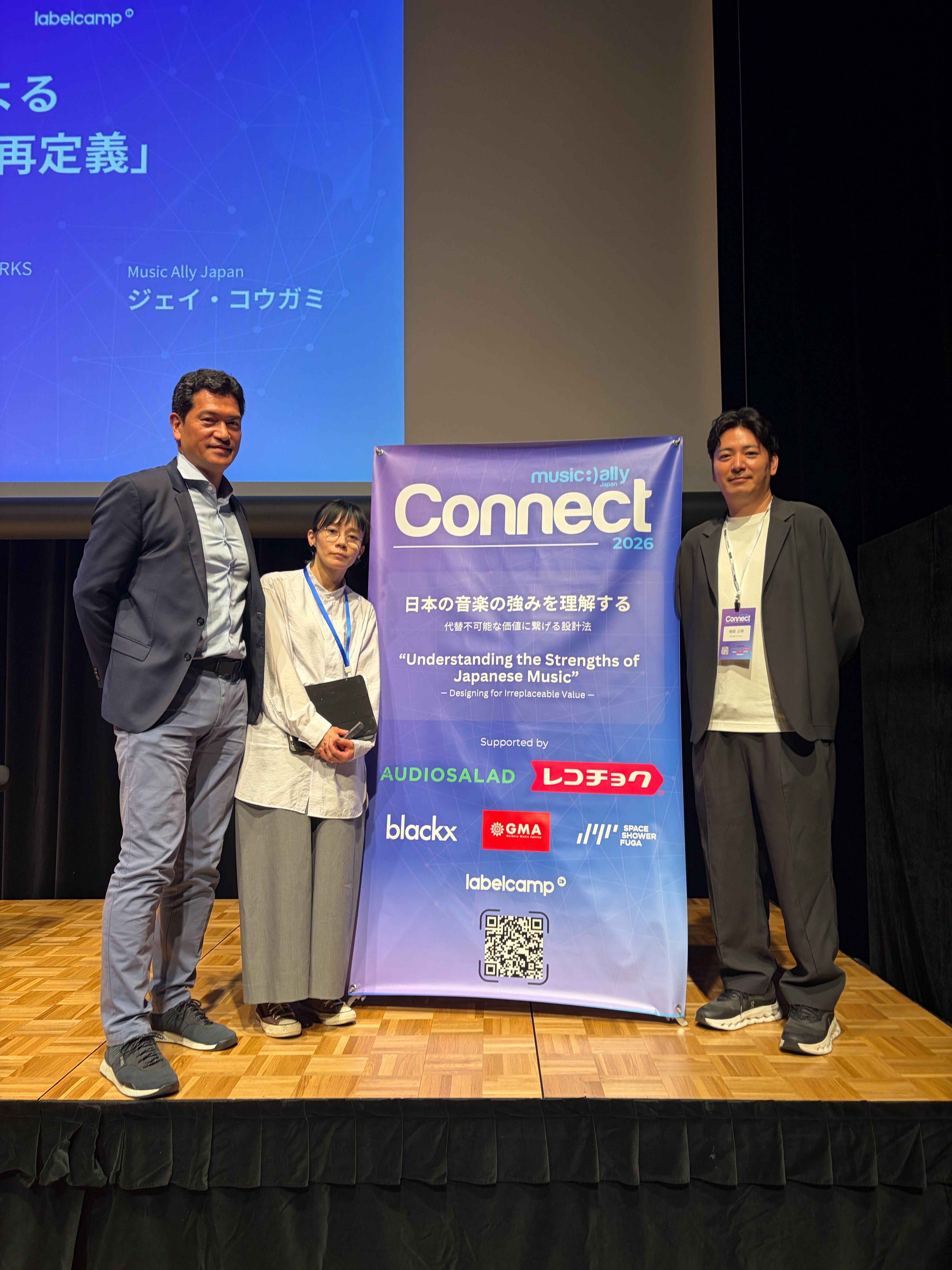
Our Representative Director, Shimada, spoke at Music Ally Japan Connect 2026. 🎤
Our Representative Director, Shimada, spoke at Music Ally Japan Connect 2026. 🎤
ニュース