Current page
[Ask the Professionals] A must-see for live house staff! What is the relationship between live houses and streaming events!? |Shinjuku Loft
Creator stories
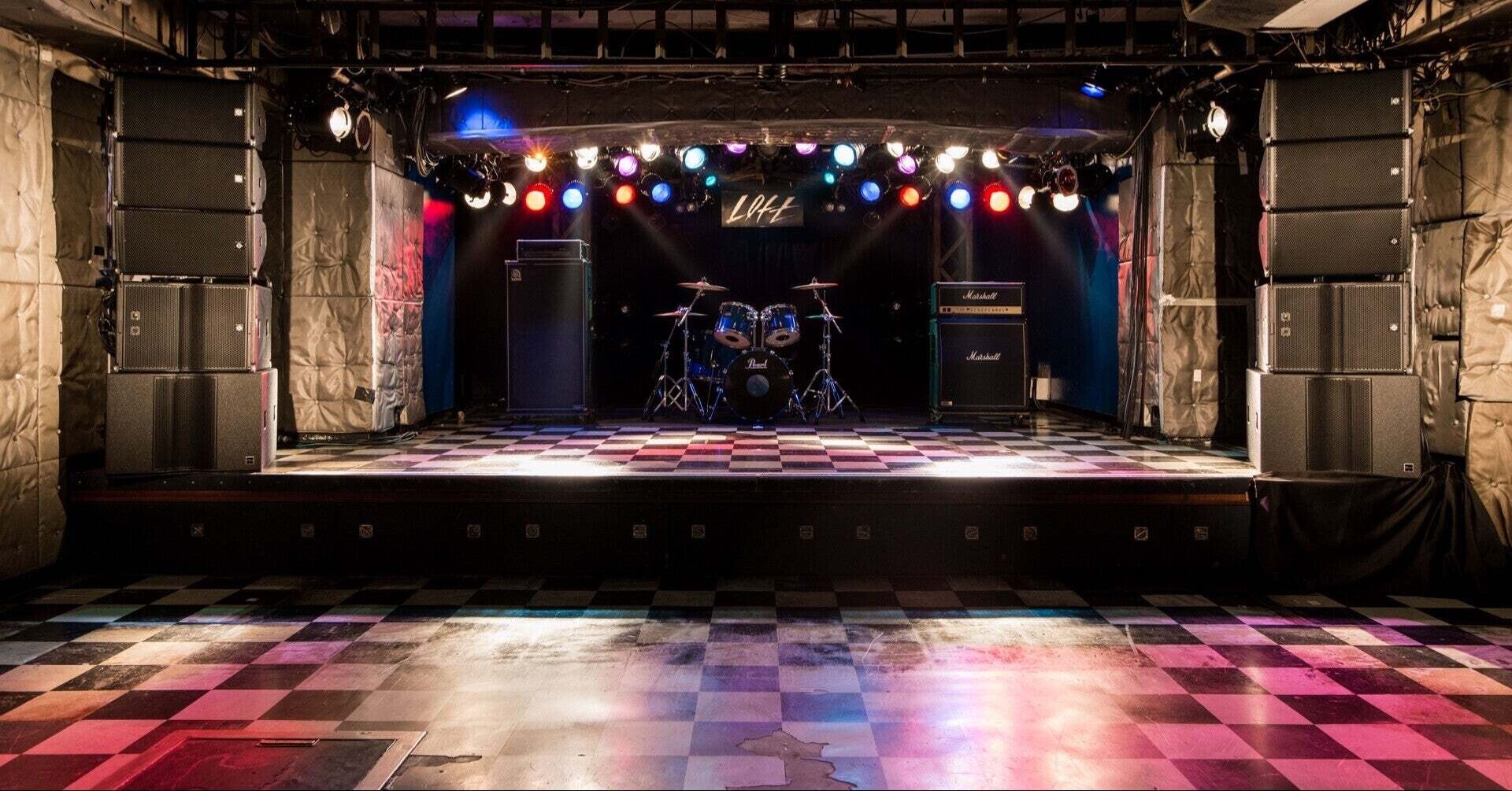
Just before the emergency declaration in March 2020, a cluster outbreak at a local live house led to a backlash against live houses, resulting in the cancellation of many live events. Under the state of emergency, it was impossible to hold performances with an audience, putting the live house industry in a difficult position due to the pandemic. Amidst this, the Loft Project, which includes the long-established live house Shinjuku LOFT located in Kabukicho, was the first to fully implement streaming events, leading the way for other live houses across the country, currently operating ten affiliated stores.
This time, we talked with Makoto Maekawa from Loft Project and Eri Maruyama from LOFT Records about the relationship between live houses and streaming events.
Interviewed by: Fujijun
Reasons for Being Able to Start Streaming Live Faster than Anyone Else
- Last spring, amidst the difficulty of holding live events with an audience due to the COVID-19 pandemic, live houses started to incorporate streaming live events. Loft Project was quick to adopt online streaming, right?
Maekawa:
By early March last year, we were already doing streaming live events, so I think we were early adopters. Originally, about a decade ago, there was a first wave of online live events. When services like Nico Nico Live and Ustream were becoming popular, we tried to push for streaming. It was mainly talk events, so we had some past experience and, in a way, we had some know-how from that time. So when we found ourselves in a situation where we couldn't admit guests, I think our response was quick.
- Since it wasn't a start from scratch, you were able to begin right away?
Maekawa:
After so many years, we had to update all the equipment and since we only had old knowledge, it was quite tough. However, compared to other live houses, I think we had a slight edge at the starting line. Therefore, when we decided to start streaming, it wasn't smooth sailing, and we were figuring things out as we went along. We realized that it would be difficult to maintain the same volume of events with the methods we had been using. While searching for a “ticket sales service” to assist with ticket sales, we encountered ZAIKO.
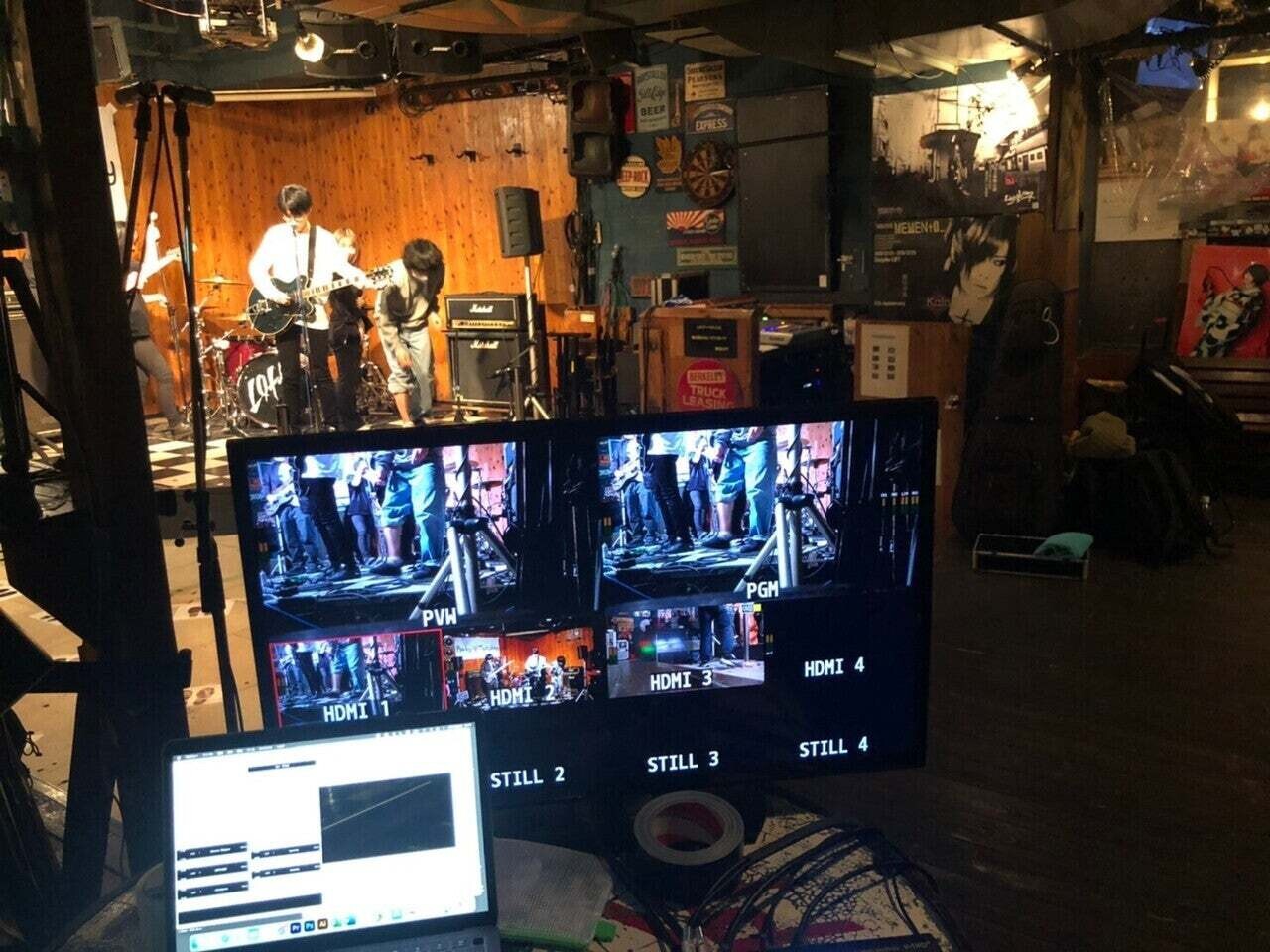
- What was the situation like when you decided to start streaming live events in March last year?
Maekawa:
The organizers began to judge that "we cannot hold live events under these circumstances," and cancellations of events started to pile up. There was a growing atmosphere that things could get very bad if this continued.
Maruyama:
There was a sentiment among everyone, questioning whether it was alright to hold events under these circumstances. However, there were proactive individuals who said, "Then let's do it online!" Initially, many resisted the idea, thinking, "After all, live events should be in person," and I think many staff were also hesitant. From the staff's perspective, it was unclear how to support performers who were doing live events without an audience. So, in the absence of precedent, we really were progressing by feel. Only because we had staff who were well-versed in lighting and PA, we could quickly assess how to create the best experience. Gradually, we were able to develop unique streaming events representative of live houses, which was a strong point for us.
- After deciding to start streaming, how much time passed until you actually implemented it?
Maekawa:
The very first event was about a week after the decision was made (laughs). What differentiates us from other live houses is that we have six talk live houses. Talk events, being similar to radio shows, also have great compatibility with online. The performers had less resistance to online events and were understanding of the no-audience situation, so the decision to action was swift. Looking back, it gives me chills, but at first, we had no equipment, so we were shooting with one camera (laughs).
- Loft Project has ten locations combining music and talk, but did you implement streaming events across all locations at once?
Maekawa:
Yes. The theme from the beginning was to enable all stores to do it.
Maruyama:
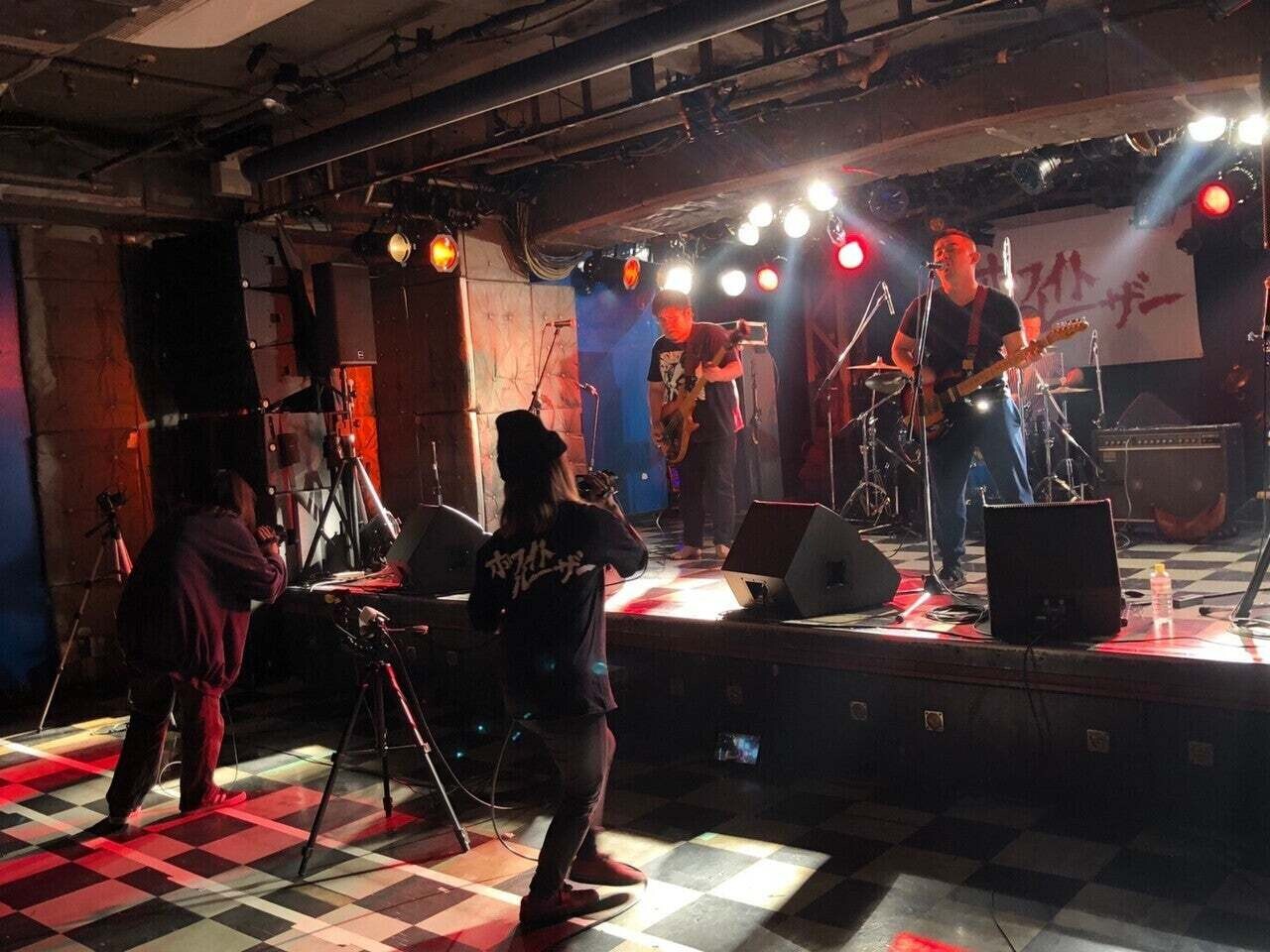
At the beginning, when we started operating, other live houses hadn’t started streaming events yet. However, as we all began to implement it in preparation for summer, it became difficult to obtain equipment that had previously been easily available. It was tough having to share equipment between stores (laughs). Currently, each store is equipped with its own setup and has staff ready to facilitate streaming.
Those staff members, who originally worked at live houses and loved event production, have been our winning entry point. They usually watch live videos extensively and have their own ideas about what they want to achieve through streaming, which has been a huge help. Even if there are many areas where we can't match professionals, I think each location can create engaging, live house-like visuals. Even when asking part-time workers to handle cameras, they manage to get promising results despite being amateurs. As they watch the footage, their interest grows, and more people take the initiative to help out.
- The love for their work is compensating for the technical gaps. That's wonderful!
Why Loft Project Chose ZAIKO?
- Amidst all this, what made you choose ZAIKO as your streaming platform?
Maruyama:
As we looked for a way to monetize streaming live events, which involves various fees, I was introduced to ZAIKO through acquaintances. Upon hearing their story, I learned that the ease of use in operation and configuration was incredibly high, and the advantage of issuing tickets on the same day was very appealing. Many of our team members are proactive, saying, "We've settled on performers, let’s get moving!" so that was a huge draw. At that time, ZAIKO had just started its web streaming service and the collaborative aspect of building it together felt excellent, and they were very supportive during our troubles, which we appreciated a lot.
- Currently, is ZAIKO the only streaming platform you use for Loft Project?
Maruyama:
To be honest, we use various contents, each tailored to specific events. For instance, we use YouTube and TwitCasting for talk events, while music events tend to use ZAIKO more.
- Looking at the list of events you've conducted so far, I see that since March last year, there have been over 500 events using ZAIKO, right?
Maekawa:
In terms of groups, we are doing about 250 streams a month, so that’s still only a portion (laughs). Where ZAIKO excels is in audio and video quality. Music events are primarily hosted by ZAIKO. For talk events, since the quality of the video is not a major concern, we primarily use TwitCasting, which allows for casual listening and offers comment and tip effects. We utilize both depending on the occasion.
- Were there any particularly convenient or beneficial features you experienced while using ZAIKO?
Maruyama:
Definitely, the ability to easily operate settings is a standout feature. Online events often face various issues, so having the flexibility to react is quite convenient. Their support system is well established, and in cases where we're truly in trouble, reaching out leads to quick responses. For instance, when an event is suddenly postponed or canceled, we can swiftly adjust the selling period and time, offering a quick notice to ZAIKO afterward. There have been numerous cases where streaming would stop, or it seemed like we were streaming, but viewers couldn't see anything, or the sound didn't come through (laughs). Even though we've gotten used to it, there are still so many unknowns, so ZAIKO's support has been incredibly helpful.
- Despite these challenges, what is the reason you continue to manage to provide 250 streams a month?
Maekawa:
I believe it’s because our onsite staff is working hard without losing heart. The Loft Group has a rule that "we must hold events except for the three days of New Year’s," so we've been accustomed to a certain volume of events and operate under that premise. Even during times when organizing events was impossible, we didn’t give up, and I think the results of that are reflected in our current situation.
Maruyama:
Also, because of the performers who readily said, “Let’s do it!”, we’ve seen an increase in the number of events, and as they performed, others thought, “That looks interesting, let’s give it a try.” The situation tests our ability to think creatively about what entertaining content we can produce. The cooperation from the performers has allowed us to continue. Many performers said, "Since it’s Loft, should we give it a try?" which we are very grateful for.
- Could you share the advantages and disadvantages of streaming live events?
Maekawa:
The advantage, which might be obvious, is that the capacity is unlimited. Also, it allows us to reach people far away. I was particularly struck by a comment stating, “I’ve been detached from live events due to my child-rearing period, but I’m happy I can watch it in between taking care of my child,” indicating that we can reach people who have distanced themselves from live houses for some reason, which is unique to streaming.
Maruyama:
Even for those who can attend real live events, having the choice between “watching live or streaming” is very beneficial. There are definitely people who want to visit but have situations preventing them from doing so. Providing them with the option of viewing through streaming is very good. People who cannot attend due to work commitments can casually watch once they get home or catch the archive later, which I see as a great new offering.
Maekawa:
“Archives” is a concept that didn’t exist in live houses (laughs). Even after a live stream finishes, being able to watch it repeatedly is incredibly new.
- Both the streaming providers and the audience have been well-equipped, and even as live events with audiences can be held again, those who cannot attend due to distance or time constraints will likely utilize streaming live events effectively.
The Importance of Proximity in Talk Events Makes Streaming Best
- I completely understand why talk events align well with online formats. The fact that talk events, quietly conducted in hidden rooms underground in Tokyo, can now be enjoyed from home by people living in remote areas is such a luxury.
Maekawa:
Talk events have seen an enormous response, and streaming has significantly boosted their reach. Events that previously had just over 100 attendees can now target an audience of 1,000 through streaming, which I think is quite an incredible experience. The proximity is essential for talk events; if it’s too wide an area, it becomes less interesting. In that regard, streaming seems to be the best format.
Maruyama:
We started with talk events as our initial streaming offerings, and I was surprised by the unexpected level of feedback and sustainability. It became clear that people who wanted to attend but couldn't were getting reached, and I believe we can continue with talk events as the situation evolves. I think we can deliver good content by combining them with live events.
- The ability to be viewed regardless of the location is an advantage, but are there customers watching streaming live events from overseas?
Maruyama:
Yes. Most are from countries like South Korea and Taiwan, and if you look at the purchase history of artists who have done overseas events, it’s clear that people from the countries they’ve toured in the past are making purchases. The detailed purchase history available through ZAIKO is also a benefit.
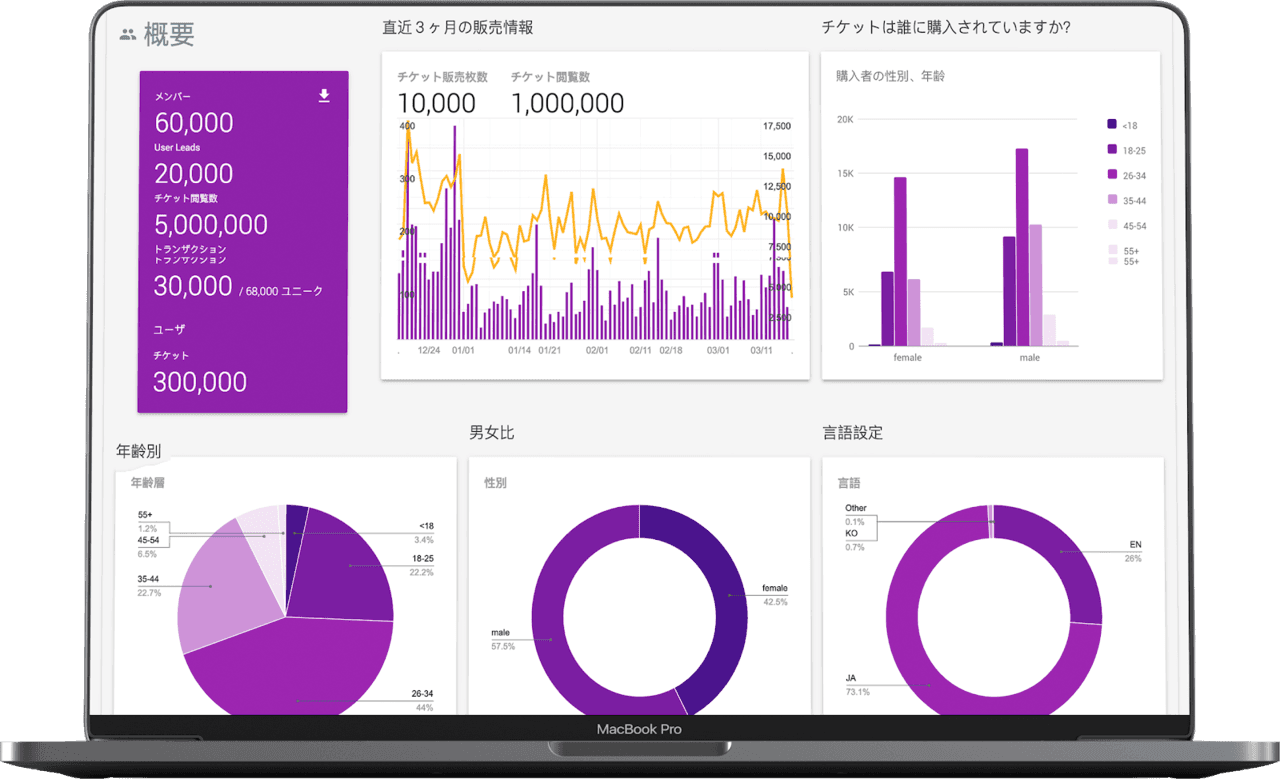
- This information can serve as guidance for future activities. What about the disadvantages of streaming?
Maekawa:
A drawback I realized while addressing various customer inquiries is that “you need a PC or smartphone to watch streaming live events.” This differs from the philosophy of live houses, where if you go there, you can definitely enjoy the experience. We used to provide maximum entertainment as long as people held onto their ticket and drink fees, but now I’ve come to realize that “live houses and streaming events are different battlefields.”
Maruyama:
As someone who works at a live house, I still believe that no matter how many features and services streaming offers, it cannot match the experience of being there in person. I still want people to come to live houses. If we are to continue streaming, how closely we can align it with the live experience is something I want to pursue. I want to showcase the live house's sense of presence and what the creators want to show. I hope to evoke the desire in viewers to think, “I want to go to a live house” and encourage them to return.
- Understanding both the merits and demerits, I believe you will continue to hold streaming events in the future. What are your future plans regarding events?
Maekawa:
We need to carry out online events that convey the goodness of live experiences to avoid turning live houses into venues purely for streaming. That’s about it for now. In talk events, we often create specific times for those present at the venue and those watching online, but it tends to favor the in-person audience, and I believe that will continue in the future. Additionally, I hope to enhance the angles of the cameras and improve technical skills to deliver even more engaging experiences.
Maruyama:
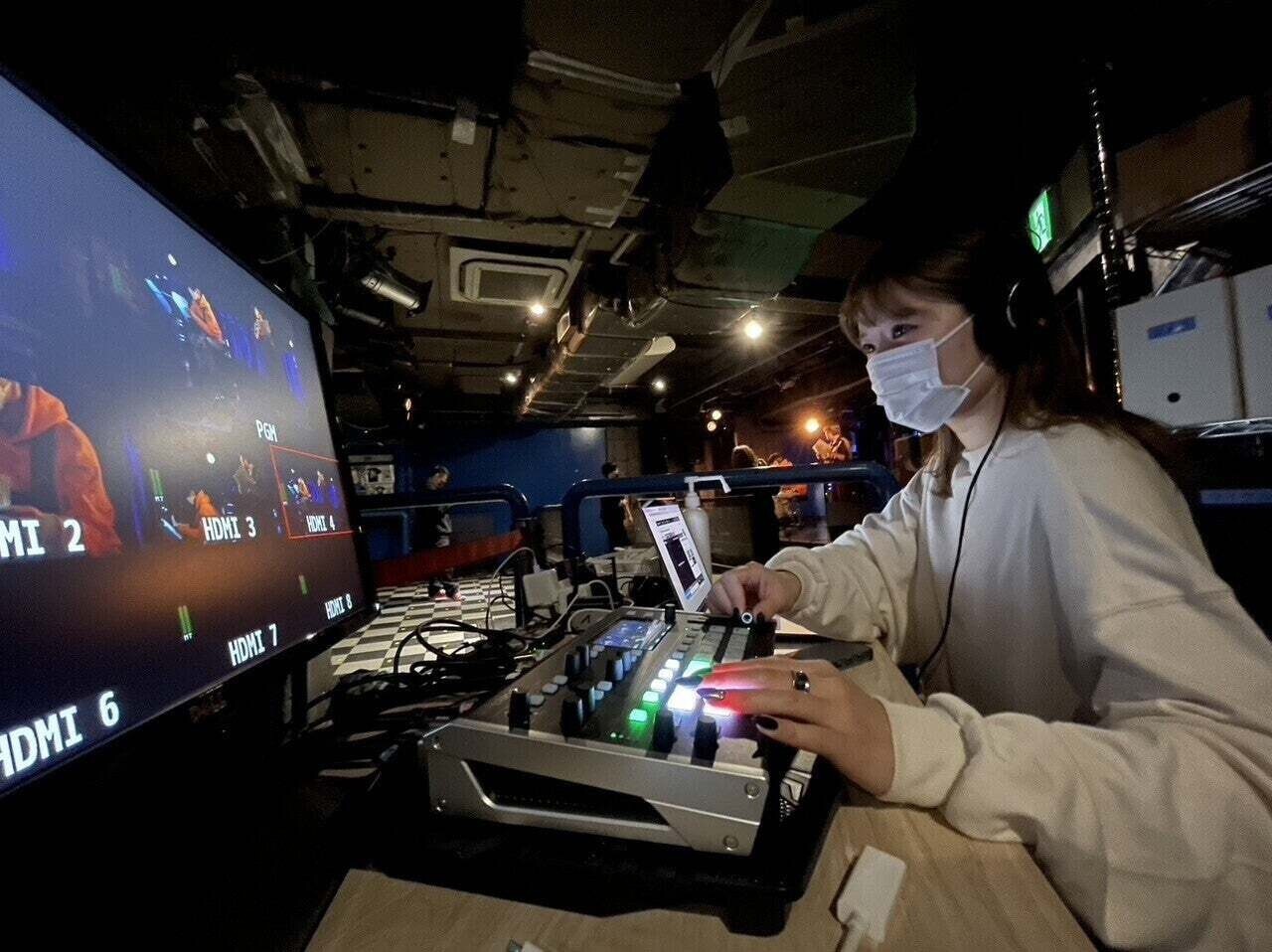
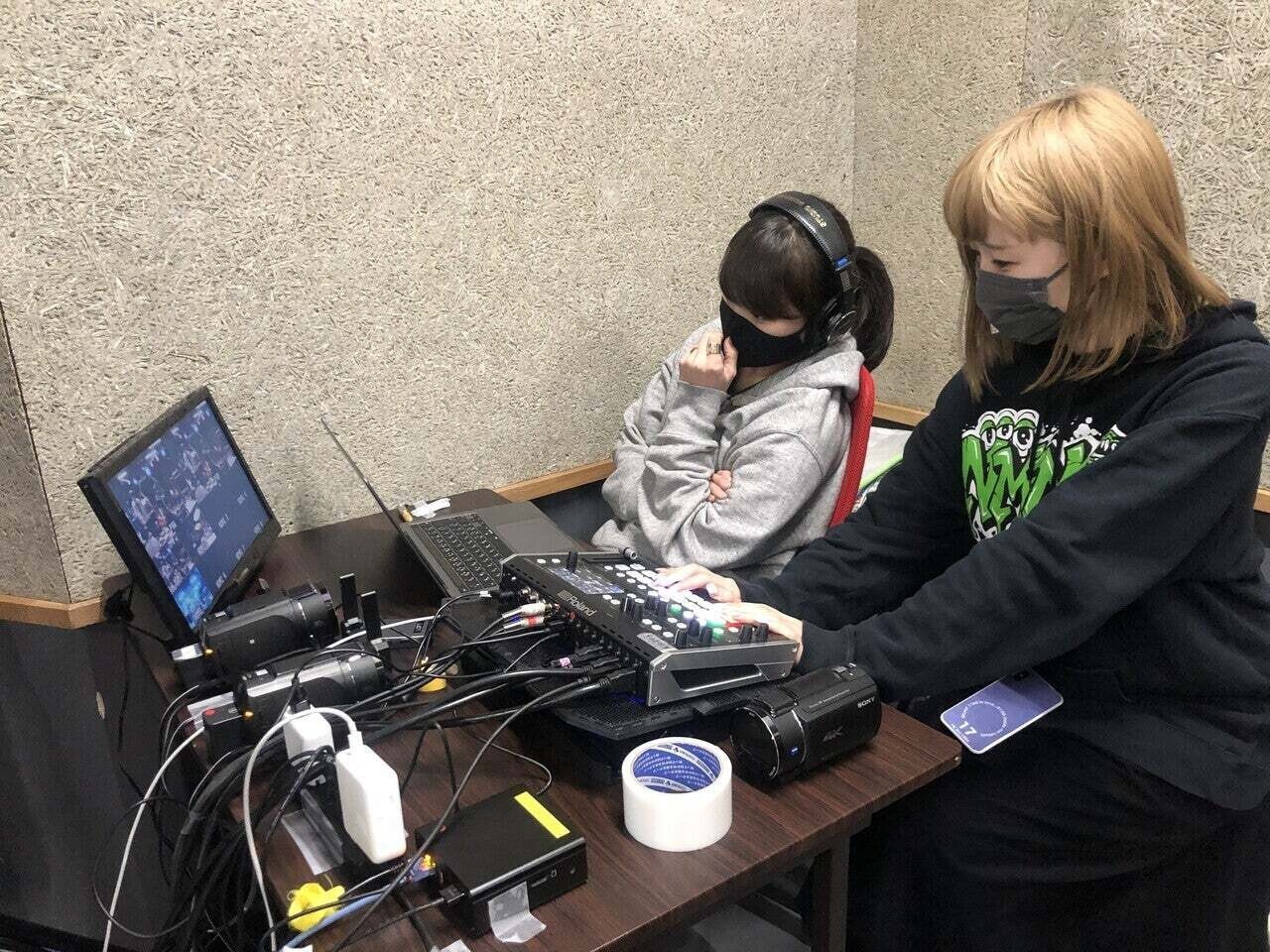
At first, we were just putting together a makeshift team, with the camera operators and switchers being the lighting staff, who have an eye for the scene. I was thrilled when a professional mentioned, "The lighting staff made it easy to integrate with the streaming setup," which was a significant boost to our confidence and highlighted our strengths.
- Your plans for future enhancements emphasize that the skills and intuition for streaming are continuously honed and refined through daily live events.
Maekawa:
There's no telling how the situation will evolve from here. I believe adaptability is key during this pandemic. Given the challenges we've faced, I strive not to be overly optimistic while being mindful of mitigating potential pitfalls. We are establishing a system to adapt to any situation.
The Future of Streaming Lies Beyond Just Live Events
- What has been the most memorable streaming event you've done so far?
Maekawa:
One regular event that continues even now is called
More articles

ZAIKO and AppBank Inc. Begin Collaboration to Maximize Event Value by Leveraging Corporate Networks
ZAIKO and AppBank Inc. Begin Collaboration to Maximize Event Value by Leveraging Corporate Networks
ニュース
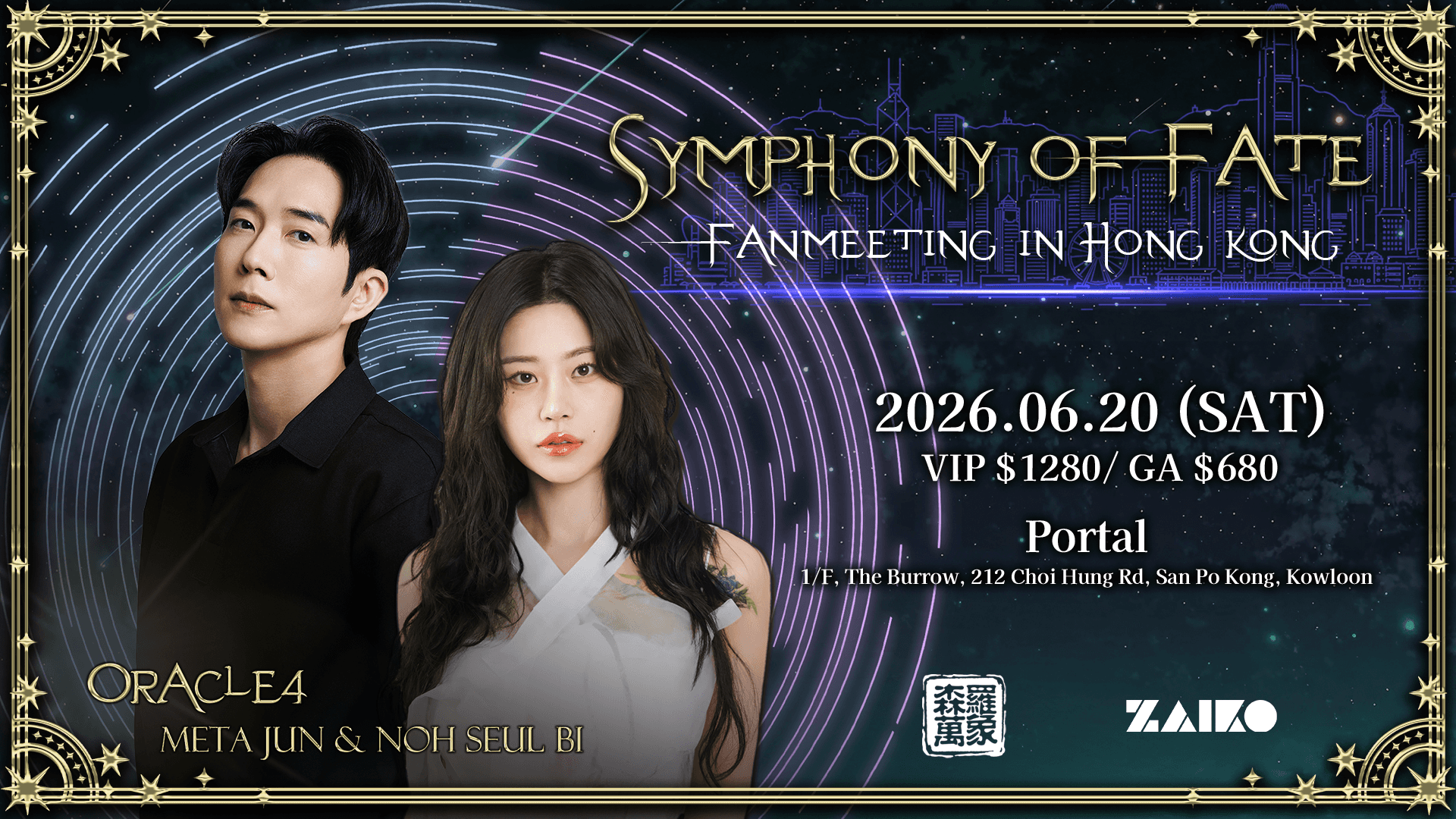
Fan Meeting & Fortune-Telling Sessions with Korea's Most Popular Fortune Tellers Noh Seul Bi and Meta Jun — Stars of the Hit Reality Show "Battle of Fates" — Coming to Hong Kong for the First Time!
Fan Meeting & Fortune-Telling Sessions with Korea's Most Popular Fortune Tellers Noh Seul Bi and Meta Jun — Stars of the Hit Reality Show "Battle of Fates" — Coming to Hong Kong for the First Time!
ニュース
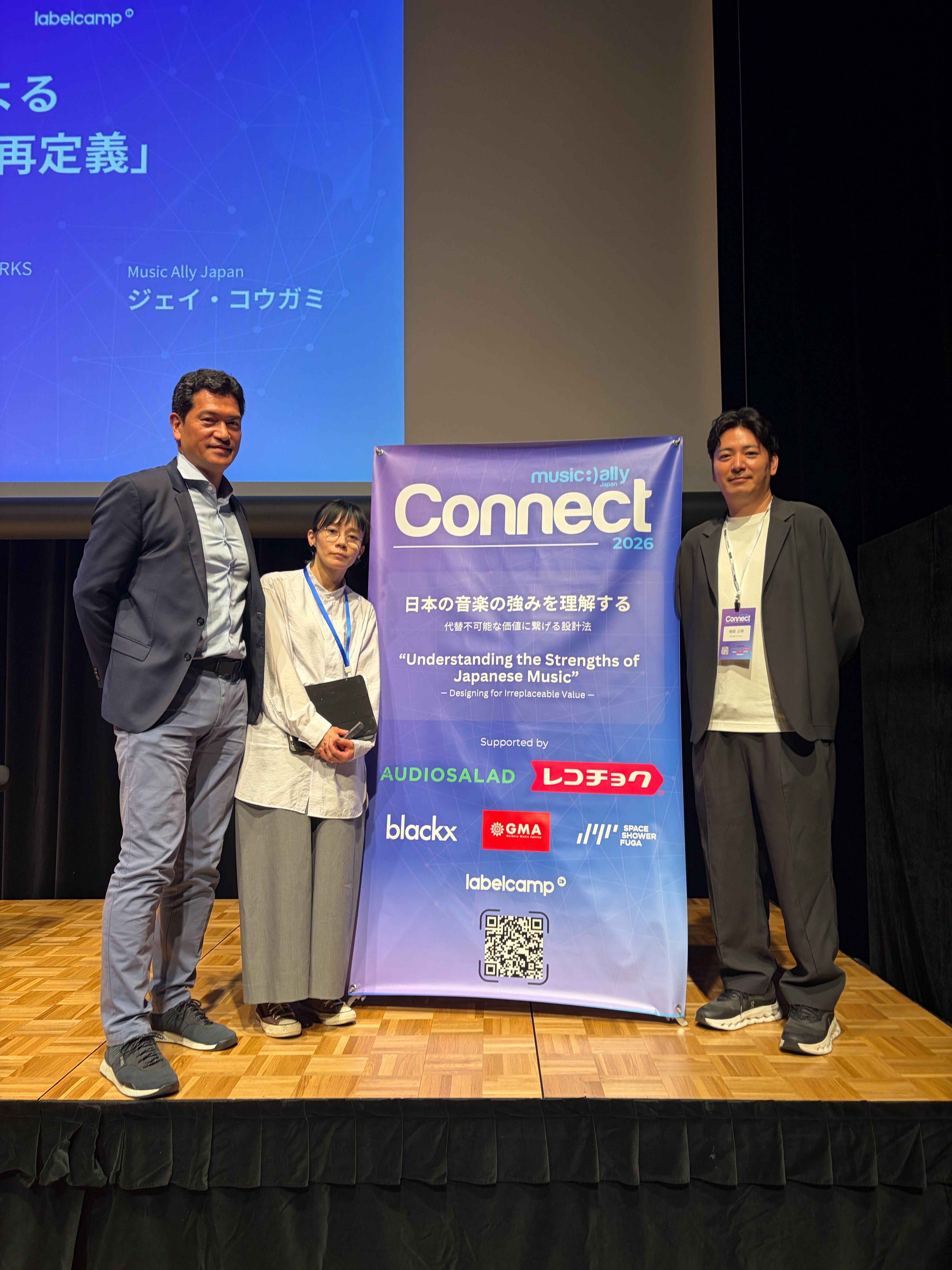
Our Representative Director, Shimada, spoke at Music Ally Japan Connect 2026. 🎤
Our Representative Director, Shimada, spoke at Music Ally Japan Connect 2026. 🎤
ニュース