Current page
<Billboard Japan Interview> The Journey of ZAIKO and Digital Events - COO Lauren Discusses ZAIKO's Positioning
News
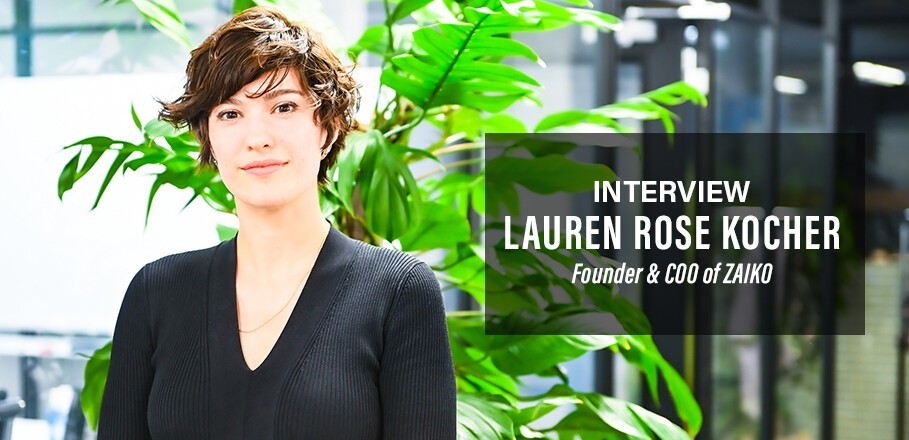

Interview: The Journey of ZAIKO and Digital Events - COO Lauren Speaks About ZAIKO's Position
During the pandemic, paid live streaming and online events, which quickly became established as a new service through electronic ticketing, have played a significant role in driving the market. ZAIKO has been at the forefront of this movement.
Starting last year as an electronic ticket sales platform, ZAIKO rapidly held the online live of cero【Contemporary http Cruise】 on March 13th, quickly adapting to the cancellation and postponement of live performances and concerts due to the spread of the coronavirus. Even after major ticket agencies and video streaming platforms rolled out similar services, ZAIKO has set itself apart with its highly flexible service that accommodates purchases from overseas.
As real live events are gradually being held again, it is expected to take some time before situations revert to pre-pandemic conditions. The increase in “hybrid events,” where both venue tickets and streaming tickets are sold simultaneously, signifies that artists and organizers are also creatively innovating in various ways.
What is the current situation of live streaming? How will the digitalization of the live business progress in the future? We interviewed Lauren Rose Coker, a director at ZAIKO.
Not Selling Content, But Tickets
-- The market for electronic ticket-based live streaming has rapidly expanded due to the pandemic, but what is the situation with ZAIKO's services?
Lauren Rose Coker: Since we started the service in March 2020, over 3,000 live streams have been conducted as of the end of September, six months later. The number of streaming tickets sold has exceeded one million, returning over 2 billion yen to artists, event organizers, and venues just from ticket sales. The figures we announced at the end of July were 1,500 streams and 500,000 tickets, approximately 1.2 billion yen, so there has been significant growth from that point.
-- Since March, real live events have become impossible, and many artists have found potential in online live performances. Looking back over the past six months, how does Lauren feel about this?
Lauren: The events industry was very analog, but I feel like it has rapidly progressed to digitalization. Especially in the last six months, it has become a world where the digital is the only option. Not only within our company but also with changes in society, the general behavior of audiences has changed. I believe it has become normal to purchase tickets for digital events.
-- There has been a significant change in customer awareness.
Lauren: Recently, we have not only held digital events for music but also traditional performing arts like Rakugo. When looking at the purchase data for such events, many buyers are older. Before the pandemic, when we approached organizers of such events and asked, "Why not sell electronic tickets?", they often responded, "Our fans don't know how to buy electronic tickets." However, once we actually conducted such events, many people transitioned to digital. I feel that the digitalization of events has progressed tremendously due to the pandemic.

-- While ZAIKO started as an electronic ticket sales platform before the pandemic, what was the initial vision?
Lauren: ZAIKO started as a startup for electronic tickets for real events in January 2019. From the beginning, the key point we considered was global compatibility. The system was designed to be usable in English, Chinese, and Korean as well as Japanese, allowing purchases with overseas-issued credit cards and Paypal, as well as WeChat Pay and Alipay. We aimed to create an electronic ticket system that people around the world could easily purchase. Additionally, being a white-label platform was also a significant point.
-- What do you mean by white-label?
Lauren: The concept of a white-label is that anyone can create their own ticket platform. If major ticket agencies are like "Amazon," we are more like "Shopify." Moreover, by providing purchase data to artists and organizers, they can directly sell tickets to their fans. We envisioned a direct-to-fan (D2F) model. In the past, with paper tickets, much of this data was often a black box, with conversion rates and click counts rarely disclosed. However, since all our tickets are electronic, artists can know how fans found event information and can sell tickets directly to fans. It might take time, but I believe electronic tickets will become commonplace. We launched in January last year and have experienced growth of several tens of percent each month. However, in February of this year, like other entertainment companies, our business nearly disappeared due to rapid cancellations, which was a huge challenge. That’s when we thought selling tickets for participatory streaming events might work, and we launched electronic ticket-based live streaming.
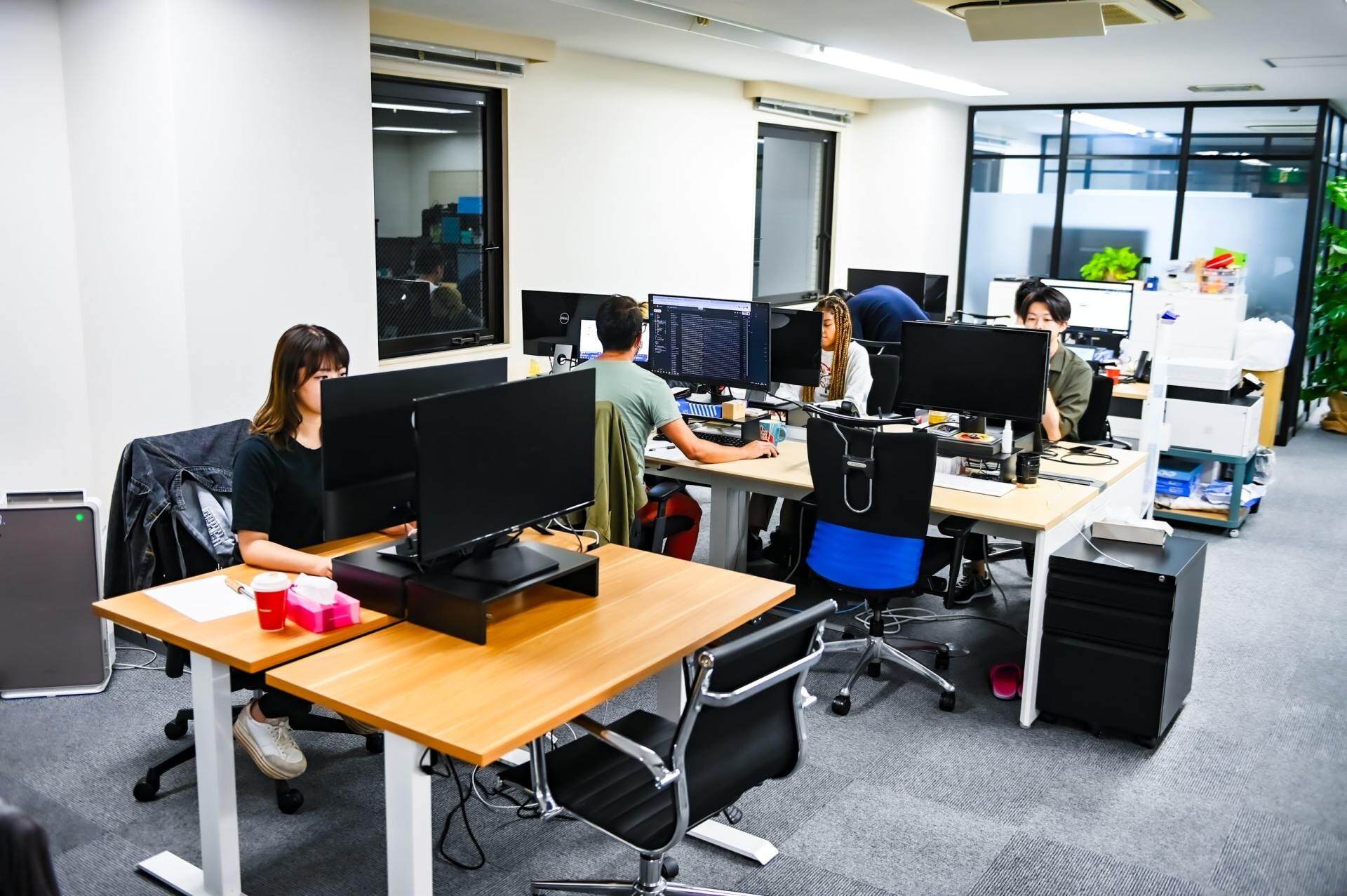
Office view
-- In early February to early March, there were artists who performed canceled shows for free on YouTube without an audience, but ZAIKO was the first to adopt paid live streaming with electronic tickets. Why do you think you were able to respond so quickly to the crisis of the pandemic?
Lauren: Being a startup, we didn’t have much funding and didn’t have the luxury to wait and see. Also, what sets our company apart from other ticket companies is that we have engineers in-house, allowing us to develop internally. Instead of outsourcing for months, we can experiment and improve our offerings. While everyone, including our clients, was facing a challenging situation, coming up with various solutions was one of our strategies, and that seemed like a viable solution when everyone was wondering, “What should we do?”
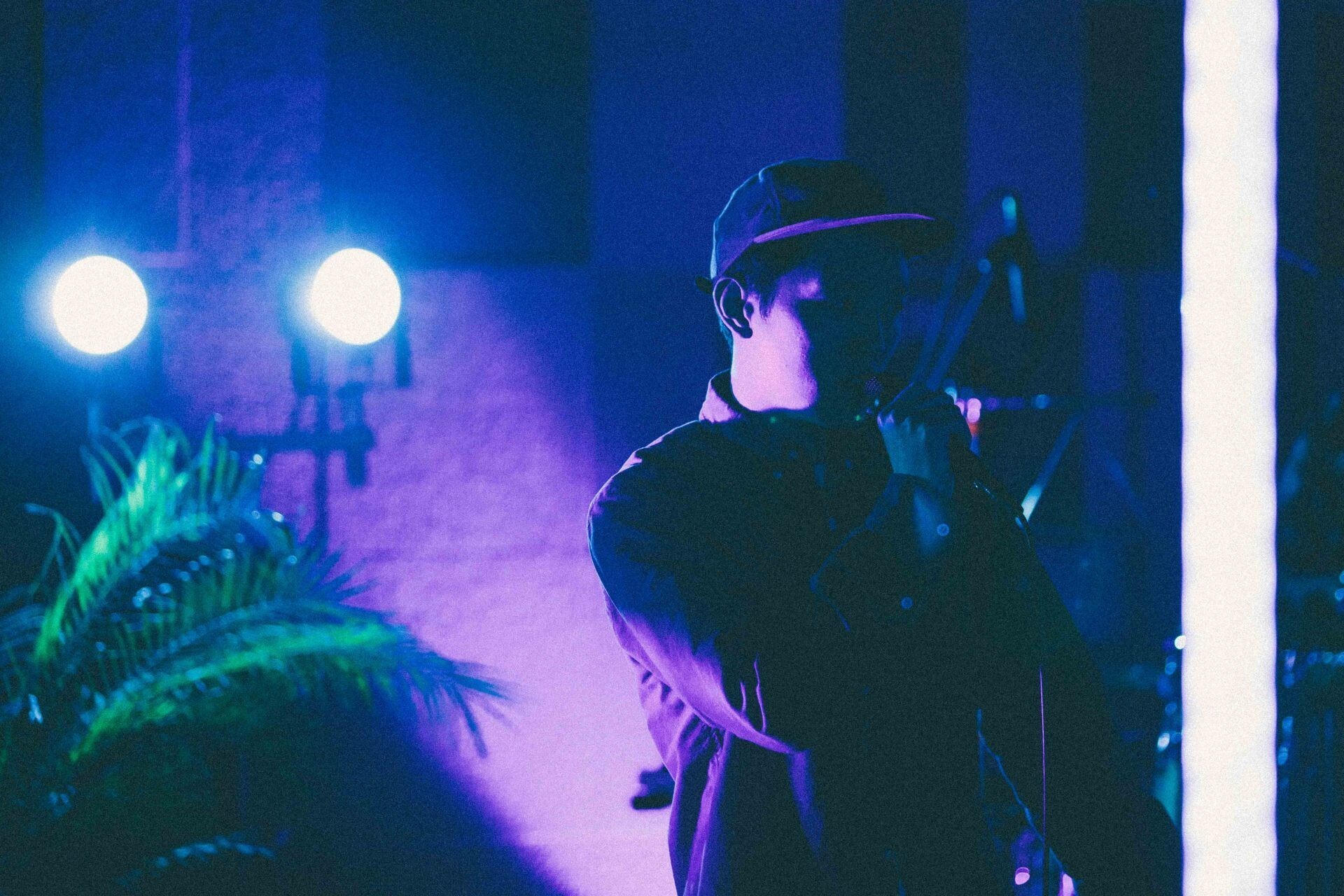
The scene of 【Contemporary http Cruise】
-- The first event held was cero's live performance on March 13. What was the response?
Lauren: It was enormous. Other companies quickly implemented similar systems, but it took them months to get up and running, so from March to June, we were the only option available. There were days when we received over 20 inquiries in a single day. Nonetheless, the events industry is inherently analog, leading to a lot of learning time regarding old venue lines and camera setups. However, what was extremely fortunate for us was that the production quality from cero's team was truly exceptional.
-- I also witnessed it; cero's live performance was incredibly impressive in both its execution and direction.
Lauren: Regarding creativity, they used good cameras, the lighting was beautiful, and of course, the band itself had incredible talent. Something wonderful came together, and that became the standard. As a result, many began to think about offering their own live performances and charging for streams. We received numerous inquiries from that point.
-- From late February to early March, many free live performances without an audience were streamed on YouTube, and there were also various movements around tips and crowdfunding. I think the rapid establishment of the idea among users that "streaming live performances are something to be paid for" is significant in retrospect due to the introduction of electronic ticketing.
Lauren: Yes, indeed. While there are still free-plus-tipping platforms like LINE LIVE, ZAIKO's ticket system definitely produces larger revenues. The reason for this is that we successfully positioned it not as a purchase of digital content but as a ticket sale. Fans are accustomed to buying tickets. However, they are not used to purchasing videos online. I believe the pay-per-view model would not have had the same success.
-- Even for the same content, the difference in naming conventions or the design of prompts for actions can create significant differences.
Lauren: Precisely. I think it was not just about technology or functionality but whether the behavior was familiar to fans that made a significant impact. Buying a ticket is one of the ways people are accustomed to enjoying entertainment.
Is ZAIKO Close to Bandcamp?
-- Earlier, you spoke about the concept of white-label; with live streaming, ZAIKO allows artists and organizers to sell tickets with their unique page designs. Why did you have that idea?
Lauren: As a precursor to ZAIKO, there was a site called iFLYER that listed club and event information, and ZAIKO's technology was based on iFLYER. The music information site evolved to incorporate ticketing features, enabling the purchase of advance and day-of tickets for club events. From that time, we aimed to empower artists and event organizers to sell tickets on their own. This encompasses not only design and branding but also significant data backing for artists and organizers. Marketing emails are not sent by ZAIKO; artists and organizers send messages in their preferred timing and content. Just like artists create their own labels and choose distribution for music releases, they can create their own ticket platform to sell tickets for their live shows or events.

Office view
-- From the outset, ZAIKO offered a format where artists could sell their tickets and announce future shows. Has this model fit well with the live streaming during the pandemic?
Lauren: Yes, indeed. Live streaming can be done with fewer staff members. For real live tours, the presence of artists, agencies, event organizers, and venues, along with ticket companies, creates numerous intermediaries. However, live streaming can be done with just the artist, a camera, and a studio. Of course, a larger venue can also be rented with a bigger crew, but direct communication with fans can also take place. The direct-to-fan aspect becomes more pronounced.
-- The media tends to focus on large-scale live streams with over 100,000 participants, like those of Southern All Stars or Official HIGE DANDism, but among the 3,000 performances, these instances are few; each has its approach. Are there traits of smaller-scale live streams?
Lauren: Fortunately, there are many returning fans from both artists and venues. Independent artists and venues hold live shows on ZAIKO nearly every month. This leads to a series of performances. For instance, this month features an acoustic set, next month there’s collaboration, and the following one involves fan requests—conceptual themed performances. While famous artists often have one-off shows, series can create significant numbers.
-- Artists are also creatively brainstorming new ways of presenting their live streaming events.
Lauren: That’s right. The filming techniques are changing too. Simply filming from the audience's perspective is the least engaging. There has been an increase in various angles of shots, much like music videos, capturing from the sides and back. Additionally, some performances incorporate interview elements. They discuss themes of the live show or behind-the-scenes stories. Many artists interact with fans by reading Twitter comments or engaging in conversations. Thus, the term “digital event” or “online event” has become more relevant over merely referring to it as “live streaming.” I feel that many people are becoming more adept, and exciting things are occurring.
-- In light of this, do you communicate and brainstorm ideas with artists and organizers?
Lauren: Yes. While our focus is on the system, we do provide feedback. However, the most significant input comes from fans. For example, Kiyoharu listened to fan comments requesting, "We want a different filming approach," and enhanced the setup and lighting. He conducted the fifth streaming event on September 29 and 30, achieving a high-quality output.

Office view
-- Since June, other major ticket agencies and streaming services have launched online event platforms. How does ZAIKO plan to differentiate itself?
Lauren: One of our original strengths is supporting multiple languages and enabling purchases from overseas. Additionally, being a white-label model allows for the creation of events and sales of tickets at preferred timings. This flexibility in event setup and ticketing is a major strength. Moreover, utilizing user data allows artists to connect with fans. We want to emphasize not only the revenue from ticket sales but also how to create additional value through other avenues.
-- When you mention high flexibility in ticketing, could you elaborate?
Lauren: For instance, at the event “PLAY WITH 2020” that Kan Sano held on October 4, both venue tickets and streaming tickets were available. Exclusive goods, like original caps, were sold only to those who purchased entry tickets. Bundles of goods and streaming tickets were also offered on the same page, allowing organizers to set their quantities and prices freely. Such hybrid events can be created; it would be challenging to do this with a purely streaming platform that cannot sell entry tickets alongside. Major ticket agencies often lack the flexibility of such systems, while ZAIKO develops these capabilities in-house. Creatively-minded individuals are utilizing ZAIKO to host experimental and interesting events.
-- I see. The ability to bundle tickets with merchandise is a significant advantage. It has become an experimental ground for combining live performance and merchandise beyond merely streaming live.
Lauren: Yes. In terms of artists creating their own platforms and selling various items, ZAIKO might be akin to Bandcamp. It's about securing one’s space and selling directly to fans, and that’s an integral part of our original vision.
The Perception of Money in Concerts: Western and Asian Perspectives
-- In recent years, the digital transformation in the music industry has significantly progressed in the West; however, the incapacity to hold live events due to the pandemic in 2020 happened simultaneously worldwide. I believe each country had different responses, but what differences do you see between Japan and overseas?
Lauren: In Japan, ticket companies became major players, and ZAIKO's proactive movement might have triggered that response. Of course, similar trends exist internationally. For example, Live Nation has partnered with Maestro to commence live streaming. However, it’s often reported in the West that many management teams regret that they conducted free, large-scale live streams on YouTube from the get-go. They would prefer to have had 2,000 people paying 5,000 yen, rather than 100,000 for free. The fact that they didn’t make that decision is highlighted as a mistake. Meanwhile, Asia had a live-streaming app like 17 Live before the pandemic, and partnerships with music artists have been increasing based on that. Asia also possesses a tipping culture, a concept that doesn’t exist in the West. I think it reflects Japan's unique approach.
-- ZAIKO enables ticket purchases from overseas; what’s the situation there?
Lauren: About 3% of ticket purchasers are from overseas. We have partnered with Tencent Music's QQ music and bilibili, so it’s possible to participate from China as well.
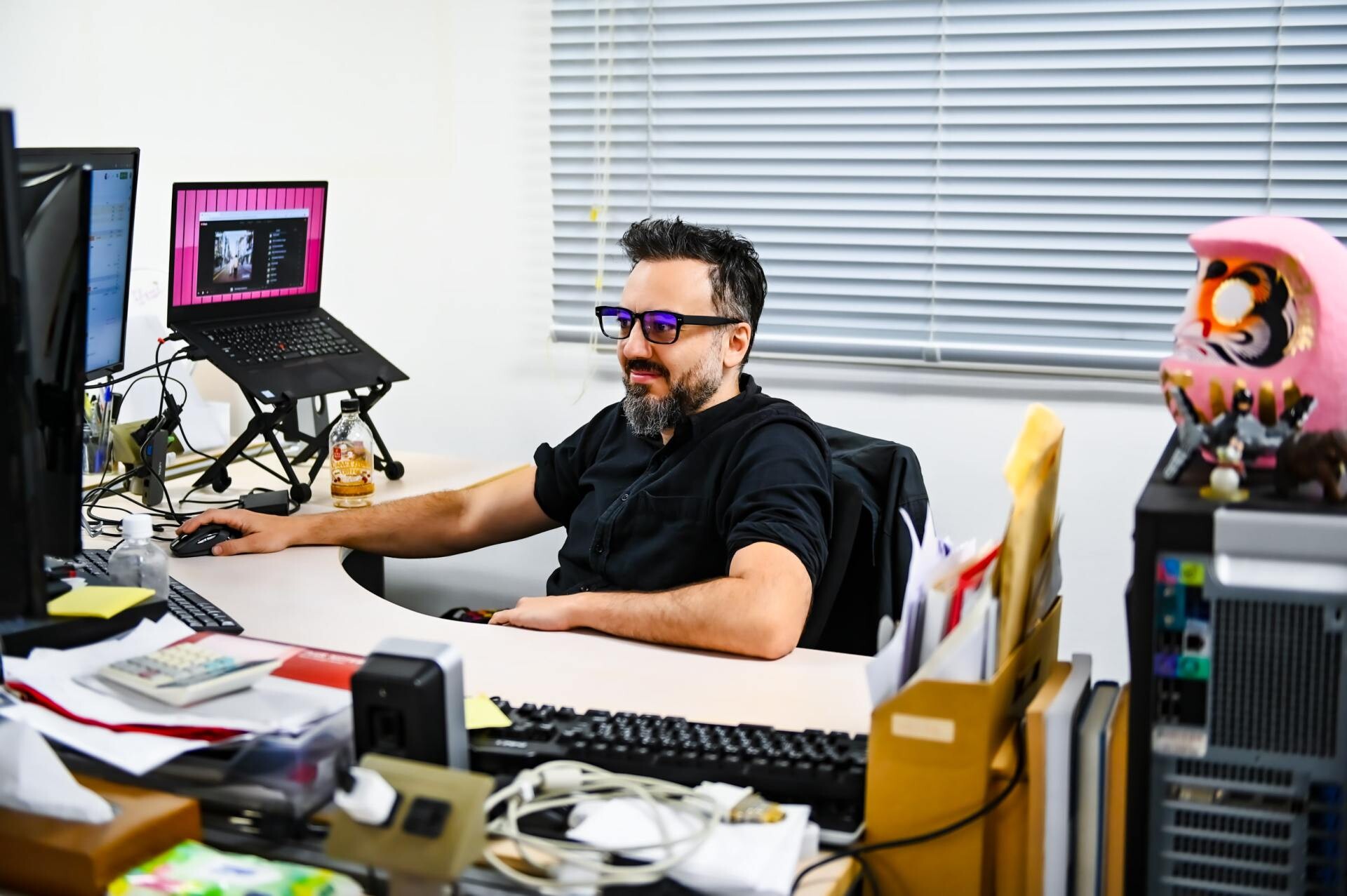
CEO Marek Nassar
-- Do you notice any specific characteristics among ticket purchasers?
Lauren: Even though it's only a few percent, with over one million tickets sold, a considerable number of overseas fans are involved. Fans of overseas idols and Japanese rock bands are enjoying the shows. Even after the pandemic subsides, I think we will be able to offer streaming shows for overseas fans. Recently, we released market research results showing that fan demographics vary by genre. For example, visual-kei bands have many female fans from France and Germany. Idols attract audiences from the United States and Canada, while fans from Taiwan and Korea are prevalent regarding any event, including J-POP artists.
-- Over the past few months, has ZAIKO experienced any significant challenges?
Lauren: There have been ups and downs. In the past six months, we had a system trouble during a stream that resulted in a server crash just once. While such issues are generally minimal, they can lead to one mistake receiving excessive attention. System problems are inevitable, but preparing before issues arise and communicating with customers and artists to address them is necessary, as well as creating industry standards.
-- Have you learned any experiences from addressing these troubles?
Lauren: Responses to troubles come with limited options. Most people tend to proceed with the live stream while archiving it if a large audience is watching. Refunds are issued if necessary. Alternatively, events can either be completely postponed or recorded for later release. Ultimately, how effectively we communicate and resolve these issues with artists and organizers is crucial.
-- Real-life events are beginning to return slowly, but I believe that live streaming and online events will continue to be an option going forward. What do you envision for the future?
Lauren: I can’t provide specifics right now, but we are preparing for a future-focused direction. The digitalization of the entertainment business will continue to progress, and we want to be ready for that.

Interview & Text: Nobuhiro Shiba Pictures (ZAIKO): Masanori Naruse Pictures (cero): Tatsuya Hirota
More articles
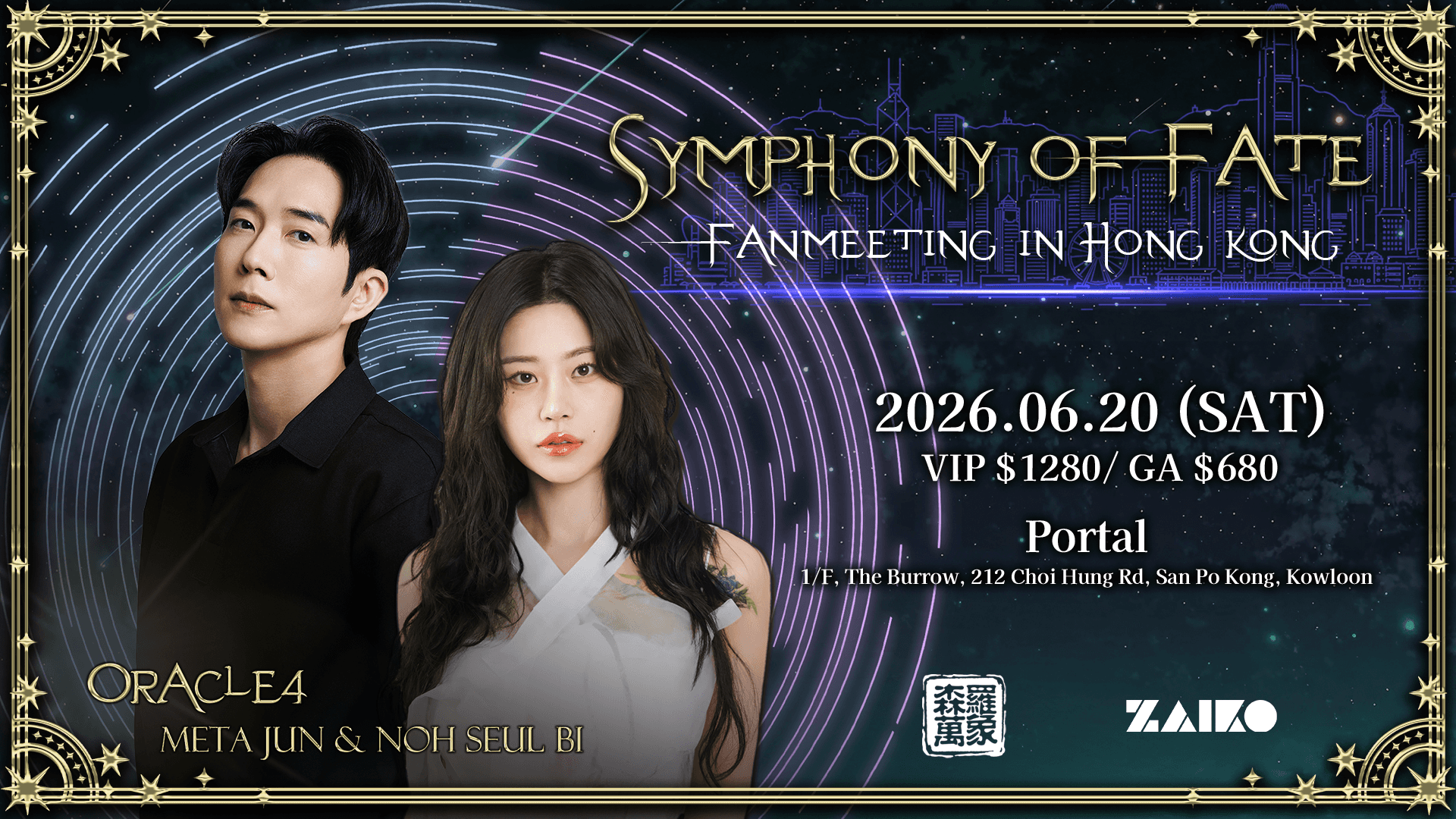
Fan Meeting & Fortune-Telling Sessions with Korea's Most Popular Fortune Tellers Noh Seul Bi and Meta Jun — Stars of the Hit Reality Show "Battle of Fates" — Coming to Hong Kong for the First Time!
Fan Meeting & Fortune-Telling Sessions with Korea's Most Popular Fortune Tellers Noh Seul Bi and Meta Jun — Stars of the Hit Reality Show "Battle of Fates" — Coming to Hong Kong for the First Time!
ニュース
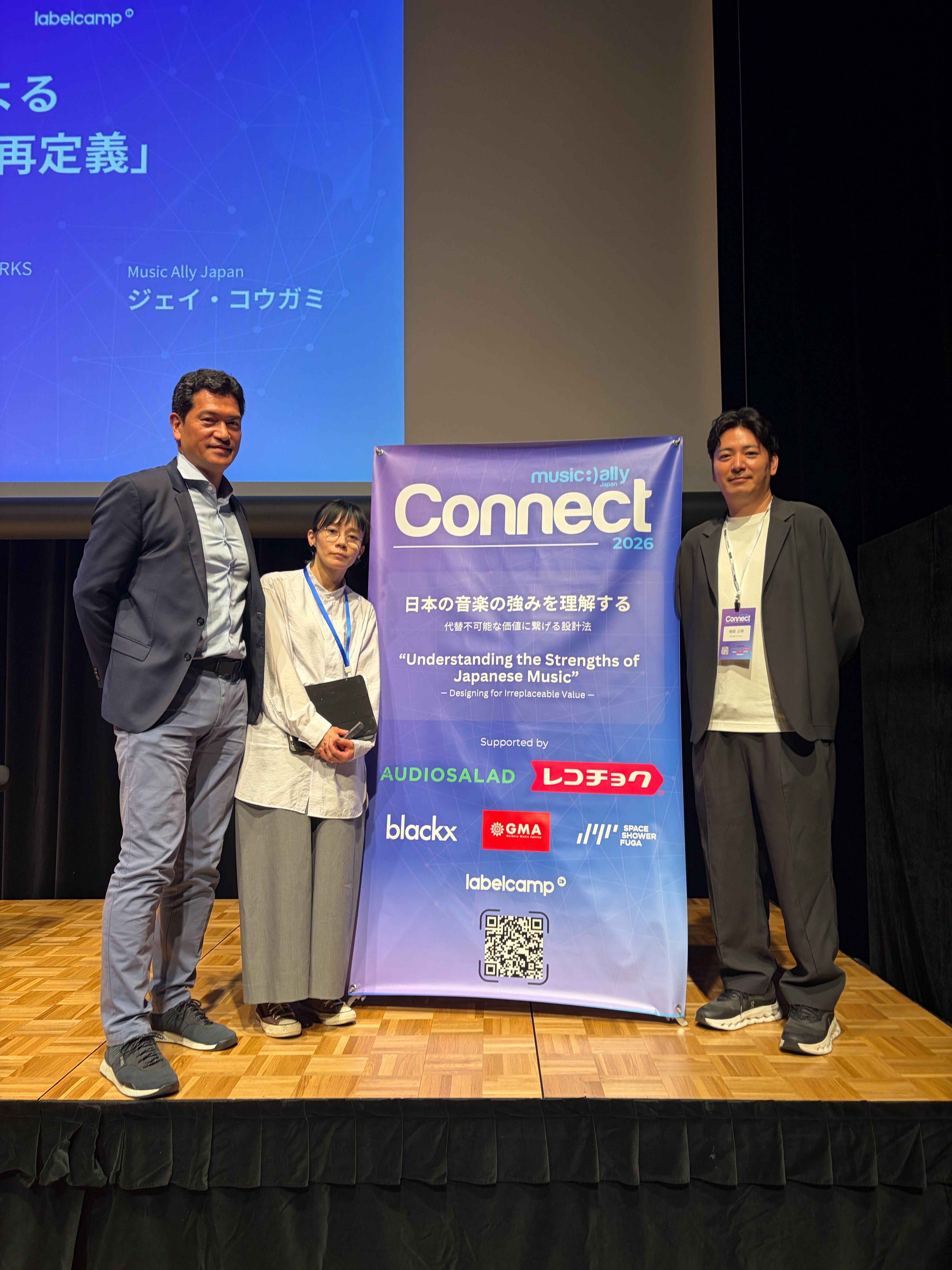
Our Representative Director, Shimada, spoke at Music Ally Japan Connect 2026. 🎤
Our Representative Director, Shimada, spoke at Music Ally Japan Connect 2026. 🎤
ニュース
ZAIKO and Vizualize Announce Strategic Partnership to Drive Japanese Entertainment and Live IP Distribution in Hong Kong
ZAIKO and Vizualize Announce Strategic Partnership to Drive Japanese Entertainment and Live IP Distribution in Hong Kong
ニュース